Drywall Repair After Water Damage in Northern Virginia: When to Repair vs Replace
Why Water Damage and Drywall Problems Go Hand in Hand in Virginia Homes
Drywall is one of the most common building materials in Northern Virginia homes, and it is also one of the most vulnerable to water damage. Whether from a burst pipe in Ashburn VA, roof leak in Fairfax VA, or basement flooding in Leesburg VA, water-damaged drywall presents both structural and health concerns that require professional assessment. Understanding when drywall can be repaired versus when it must be replaced is critical for protecting your home and your family.
At Prime Solution Restoration, our drywall repair and replacement specialists have restored thousands of homes across Loudoun County, Fairfax County, and the entire Northern Virginia region. This guide explains the professional approach to evaluating and restoring water-damaged drywall.
How Water Damages Drywall
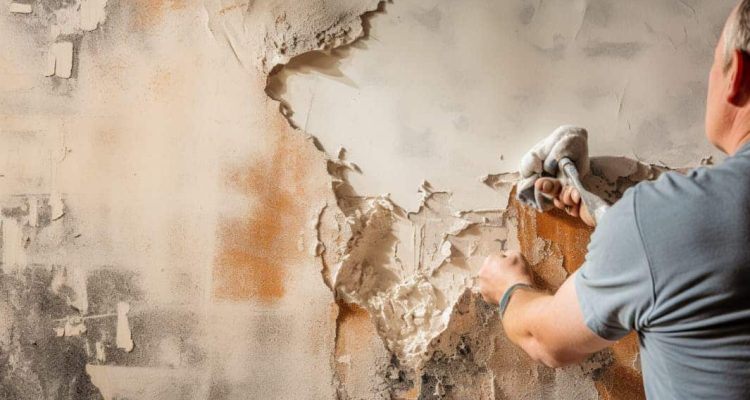
Standard drywall, also known as gypsum board or sheetrock, is made of a gypsum plite core sandwiched between paper facings. Both the gypsum core and the paper facing absorb water readily. When drywall gets wet, the paper facing swells and can delaminate from the gypsum core. The gypsum itself becomes soft and loses structural integrity. If the moisture is not removed quickly, mold begins colonizing on and behind the paper facing within 24 to 48 hours. Prolonged exposure causes the drywall to crumble, sag, and eventually collapse.
Northern Virginia's humid climate, particularly during summer months when humidity levels in Ashburn, Sterling, and Reston frequently exceed 70 percent, accelerates moisture absorption and mold development in water-damaged drywall.
When Can Water-Damaged Drywall Be Repaired?
Not all water-damaged drywall needs full replacement. Professional restoration technicians evaluate several factors to determine whether repair is possible. Drywall may be repairable when the water exposure was brief, typically less than 24 hours. If the drywall is still structurally firm and has not become soft or crumbly to the touch, repair may be feasible. Small areas affected by minor leaks covering less than a few square feet are good candidates for repair. When moisture readings confirm the drywall has been thoroughly dried with no remaining trapped moisture, and when there are no signs of mold growth on the surface or within the wall cavity, repair is appropriate.
Repairable drywall is professionally dried using commercial-grade structural drying and dehumidification equipment, treated with antimicrobial solutions, and then repaired, sanded, and refinished to match the surrounding surfaces.
When Must Water-Damaged Drywall Be Replaced?
Full replacement is necessary when any of the following conditions exist. Drywall that was submerged or saturated for more than 24 to 48 hours has absorbed too much moisture to be safely dried. If the drywall feels soft, spongy, or crumbles when pressed, the gypsum core has been compromised and cannot be restored. Visible mold growth on the surface or discovered behind the drywall during inspection mandates replacement and proper mold remediation. Drywall that shows warping, bowing, swelling, or sagging has permanently lost its structural shape. Any drywall exposed to Category 2 gray water or Category 3 black water, such as sewage backup, must be removed due to contamination. Water stains that bleed through multiple primer coats indicate deep saturation that cannot be cosmetically resolved.
The Professional Drywall Restoration Process
Assessment and Moisture Mapping
Our technicians use professional moisture meters and infrared thermal imaging cameras to map moisture levels throughout affected walls and ceilings. This reveals hidden moisture that is invisible to the naked eye, including moisture trapped between drywall and insulation, inside wall cavities, and in adjacent areas that appear dry on the surface. Thorough assessment prevents the common mistake of repairing visible damage while leaving hidden moisture that causes mold growth weeks or months later.
Controlled Demolition
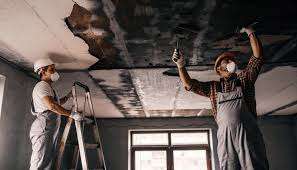
When replacement is needed, our crew performs controlled demolition, cutting drywall at least 12 inches above the visible water line to ensure all affected material is removed. We protect unaffected areas with plastic sheeting and maintain negative air pressure to prevent cross-contamination, especially when mold is present. Insulation behind damaged drywall is inspected and replaced if wet or contaminated.
Structural Drying
Before new drywall is installed, all structural members including studs, plates, and headers must be thoroughly dried. Our industrial-grade dehumidification equipment reduces moisture in wood framing to safe levels, typically below 15 percent moisture content. This process takes 3 to 5 days and is monitored daily with professional moisture meters. Skipping this step is the number one cause of mold problems after water damage repairs.
Drywall Installation and Finishing
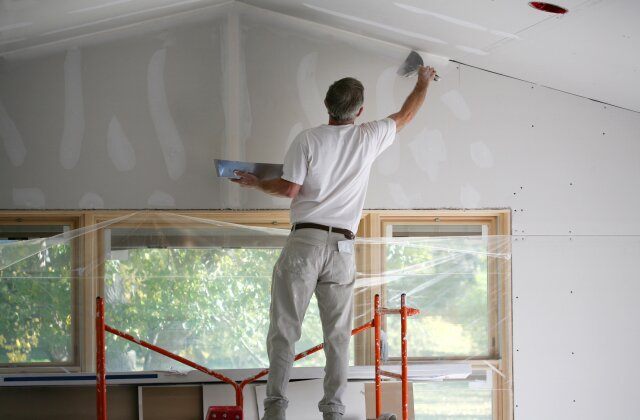
Our drywall repair specialists install new moisture-resistant drywall where appropriate, particularly in basements and bathrooms. All joints are taped, mudded with three coats of joint compound, and sanded to achieve a seamless finish. We match the existing wall texture, whether smooth, orange peel, knockdown, or skip trowel, so the repair is invisible. Final steps include priming with mold-resistant primer and painting to match existing colors.
Cost of Drywall Repair After Water Damage in Northern Virginia
Drywall restoration costs in Northern Virginia vary based on the extent of damage and scope of work required. Minor repairs involving patching and repainting small areas typically cost $500 to $1,500. Moderate damage requiring replacement of one or two wall sections ranges from $1,500 to $4,000. Major restoration involving full room drywall replacement, structural drying, and finishing typically costs $4,000 to $10,000 or more. These costs are often covered by homeowners insurance when the water damage was sudden and accidental. Prime Solution Restoration provides free damage assessments and works directly with insurance companies throughout Ashburn, Leesburg, Sterling, Fairfax, Reston, Herndon, and all of Northern Virginia.
Preventing Future Drywall Water Damage
Protecting your home's drywall from water damage starts with proactive maintenance. Install water leak detectors near appliances, under sinks, and in basements. Use moisture-resistant drywall in basements, bathrooms, and laundry rooms during any renovation or new construction. Maintain your roof, gutters, and downspouts to prevent water intrusion. Insulate pipes in unheated spaces to prevent freezing during Virginia winters. Address any plumbing leaks immediately, no matter how small, because even minor drips can cause significant drywall damage over time. Monitor humidity levels in your home and use dehumidifiers in basements and crawl spaces, especially during Northern Virginia's humid summer months.
Frequently Asked Questions
How do I know if my drywall has water damage behind it?
Signs of hidden water damage include discoloration or yellowing, bubbling or peeling paint, a musty or damp odor, soft spots when pressing on the wall, and warping or buckling. Professional moisture meters and infrared thermal imaging cameras can detect hidden moisture that is not visible. If you suspect water damage, contact us for a free inspection.
Can I just paint over water-damaged drywall?
No. Painting over water-damaged drywall without proper assessment, drying, and repair is one of the most common and costly mistakes homeowners make. Hidden moisture behind paint creates an ideal environment for mold growth, which can spread throughout wall cavities and compromise indoor air quality. Always have water-damaged walls professionally assessed before applying any cosmetic repairs.
How long after water damage does mold grow on drywall?
Mold can begin colonizing on wet drywall within 24 to 48 hours in Virginia's climate. The paper facing on drywall is an organic material that provides excellent nutrition for mold. This is why professional structural drying within the first day after water damage is critical for preventing mold problems.
Should I use mold-resistant drywall for replacement?
Yes, we strongly recommend using mold-resistant or moisture-resistant drywall for replacement in any area that has experienced water damage, as well as in basements, bathrooms, kitchens, and laundry rooms. These products use fiberglass facing instead of paper, eliminating the organic food source that mold needs to grow.
How long does drywall repair after water damage take?
The complete process typically takes 7 to 14 days from water extraction to final paint. This includes 3 to 5 days for structural drying, 1 to 2 days for demolition and drywall installation, 2 to 3 days for taping, mudding, and sanding with drying time between coats, and 1 to 2 days for priming and painting. Rushing the drying phase to save time almost always results in mold problems later.
Need Drywall Repair After Water Damage in Northern Virginia?
Prime Solution Restoration provides complete water damage restoration including professional structural drying, drywall repair and replacement, mold prevention, and finish work. Free damage assessments. Insurance claim assistance.
Service Areas: Ashburn • Leesburg • Sterling • Fairfax • Reston • Herndon • Centreville • Chantilly • Loudoun County • Fairfax County
Call Now: 571-655-7207
Headquarters: 42785 Generation Dr, Ashburn, VA 20147
Related Articles
• Water Damage Emergency: What to Do in the First 60 Minutes
• Why Structural Drying Is the Most Important Step After Water Damage
• Basement Flooding in Ashburn VA: Causes and Cleanup
• Mold Remediation in Loudoun County VA
• Making it Seamless: The Art of Drywall Restoration
• From Disaster to Designer: Rebuilding Better Than Before
• Why "It Feels Dry" is the Most Dangerous Phrase in Restoration
Found this recovery protocol helpful?
Speak with our licensed specialists for emergency restoration in Virginia, Maryland, or DC.