Making it Seamless: The Art of Drywall Restoration
Professional Drywall Restoration: The Finishing Touch That Makes Damage Disappear
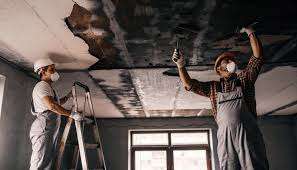
After water damage, fire, or mold remediation strips your walls down to bare studs, the quality of the drywall restoration determines whether your home looks and feels like new — or carries visible reminders of the disaster for years to come. Professional drywall restoration is equal parts construction science and craftsmanship, requiring precision at every stage from hanging and taping to finishing and texturing. At PSolution Services, our drywall restoration specialists in Ashburn, Leesburg, Sterling, and throughout Northern Virginia transform post-disaster walls into flawless surfaces that show no trace of the damage beneath.
Why Drywall Is Vulnerable to Water, Fire, and Mold
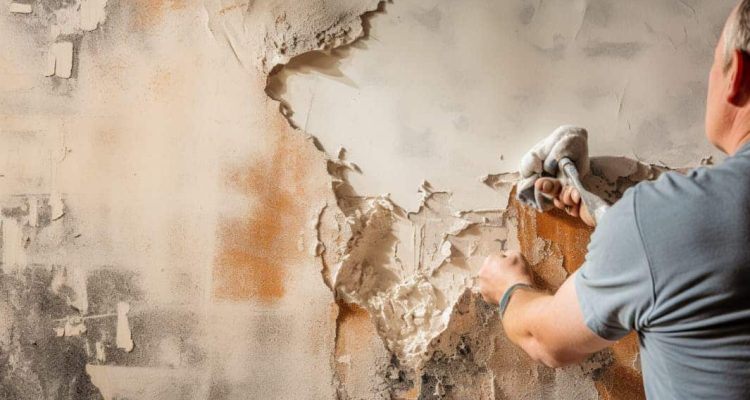
Standard drywall — also called gypsum board or sheetrock — consists of a gypsum plite core sandwiched between paper facings. This construction makes it affordable and easy to install, but also highly vulnerable to moisture. When water contacts drywall, the paper facing absorbs moisture rapidly, swelling and eventually delaminating from the gypsum core. The saturated paper becomes an ideal food source for mold, which can begin colonizing within 24 to 48 hours in Virginia's humid climate. Even after structural drying, water-damaged drywall often retains compromised structural integrity — it crumbles, sags, or develops soft spots that make it unsuitable for continued use.
Fire and heat damage creates different but equally serious problems. Temperatures above 176°F cause the chemically bonded water within the gypsum core to evaporate through a process called calcination, leaving behind a chalky, brittle material that crumbles at the slightest pressure. Smoke particles penetrate the porous surface, embedding themselves in the paper and gypsum core where they continue releasing odors indefinitely. No amount of priming or painting can permanently seal in smoke odor from severely affected drywall — replacement is the only lasting solution.
The Art of Invisible Drywall Repair
What separates professional drywall restoration from amateur patchwork is the ability to make repairs completely invisible. When our technicians finish a project in Fairfax, Reston, or Herndon, the repaired areas should be undetectable — even to a trained eye examining the wall from inches away. Achieving this level of finish requires expertise in several critical areas.
Precise Material Matching
Not all drywall is the same. Thickness varies from 1/4-inch to 5/8-inch, and selecting the wrong thickness creates visible ridges or depressions at seam lines. Older homes may have different drywall compositions or even original plaster walls that require specialized transition techniques. Our team evaluates the existing wall construction before selecting replacement materials, ensuring dimensional compatibility throughout the repair zone.
Expert Taping and Mudding
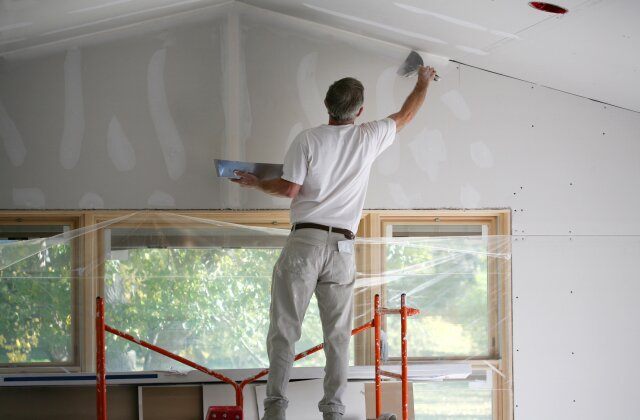
The taping and mudding process — applying joint compound over seams and fasteners — is where most amateur repairs fail. Professionals apply multiple thin coats, feathering each layer wider than the last to create imperceptible transitions. A typical repair requires three coats: a bedding coat that embeds the tape, a fill coat that builds thickness, and a finish coat that creates a smooth surface ready for texture and paint. Each coat must dry completely and be lightly sanded before the next application. Rushing this process or applying coats too thick results in visible ridges, bubbles, or cracks.
Texture Matching
Northern Virginia homes feature a wide variety of wall textures — from smooth orange peel and knockdown to hand-applied skip trowel and various stipple patterns. Matching existing textures requires both the right tools and experienced technique. Our technicians maintain a library of texture samples and can replicate virtually any finish found in residential construction. For older homes with unique or discontinued textures, we develop custom application techniques that blend seamlessly with surrounding areas.
When to Repair vs. When to Replace
Not every damaged section of drywall needs full replacement. Small holes, minor water stains from quickly-resolved leaks, and surface-level damage can often be repaired in place. However, replacement is necessary when water has saturated the drywall for more than 24 hours, when mold growth has penetrated beyond the surface, when fire has calcined the gypsum core, or when structural integrity has been compromised. For a detailed guide on making this decision, see our article on repair vs. full restoration and our guide on drywall repair after water damage.
Our team always recommends a thorough inspection using moisture meters before deciding to repair rather than replace. What looks like a small water stain on the surface may indicate extensive moisture penetration behind the drywall that could lead to mold problems if not properly addressed. The goal is never to cover up damage — it's to eliminate it completely and restore the wall system to pre-damage performance.
Upgrade Opportunities During Drywall Restoration
When drywall is being replaced anyway, it's the ideal time to make improvements. Moisture-resistant drywall (green board) in bathrooms and kitchens, mold-resistant drywall with fiberglass facings in basement areas, and fire-rated Type X drywall near garages and utility rooms all provide enhanced protection against future damage. While walls are open, additional insulation can be installed to improve energy efficiency — a particularly smart investment for older homes in Loudoun County and Fairfax County that may have outdated or damaged insulation.
Our Drywall Restoration Process
Every drywall restoration project at PSolution Services follows a systematic process designed for quality and efficiency. We begin with a comprehensive damage assessment, identifying all areas that require replacement versus repair. Damaged sections are carefully removed with clean cuts that create straight edges for new material to butt against. New drywall is measured, cut, and installed with proper fastening patterns and staggered seams that prevent cracking.
Taping, mudding, and finishing follow our three-coat system with full drying and sanding between coats. Texture is applied to match existing surfaces, then the entire area is primed and painted. We use high-quality primers specifically formulated to seal new drywall and create a uniform surface for finish paint. The result is a wall that looks and performs exactly like the original — or better, when upgraded materials are specified.
Frequently Asked Questions About Drywall Restoration
How long does professional drywall restoration take?
A single-room restoration typically takes 3-5 business days, accounting for drying time between compound coats. Multi-room projects take proportionally longer. We provide detailed timelines before work begins and update you on progress throughout the project. Call 571-655-7207 for a free estimate.
Can you match my existing wall texture exactly?
Yes. Our technicians are experienced with all common Virginia residential textures including orange peel, knockdown, skip trowel, smooth, and various custom patterns. We test-apply on sample boards first to ensure an exact match before applying to your walls.
Does insurance cover drywall restoration after water damage?
In most cases, yes. When drywall damage results from a covered water, fire, or mold event, your homeowner's insurance typically covers replacement to pre-loss condition. Our team provides detailed documentation for your insurance claim, including material specifications and labor breakdowns.
Should I use mold-resistant drywall for the replacement?
We strongly recommend mold-resistant drywall in moisture-prone areas — bathrooms, kitchens, basements, and laundry rooms. It costs slightly more than standard drywall but provides significantly better protection against future mold growth. For areas not prone to moisture, standard drywall remains the appropriate choice.
Can you restore plaster walls, or only drywall?
Our team handles both plaster and drywall restoration. Older Northern Virginia homes often have original plaster walls that require specialized repair techniques different from drywall. We can patch plaster to match existing walls or transition to drywall when full replacement is more practical.
Service Areas for Drywall Restoration
PSolution Services provides professional drywall restoration throughout Northern Virginia, including Ashburn VA, Leesburg VA, Sterling VA, Fairfax VA, Reston VA, Herndon VA, Loudoun County VA, Fairfax County VA, and all surrounding communities. Call 571-655-7207 for a free drywall assessment.
Related Articles
• Drywall Repair After Water Damage: When to Repair vs. Replace
• Repair vs. Full Restoration: How to Decide What Your Home Needs
• From Disaster to Designer: Rebuilding Better Than Before
• How to File a Water Damage Insurance Claim in Virginia
• Why Structural Drying Is the Most Important Step After Water Damage
Found this recovery protocol helpful?
Speak with our licensed specialists for emergency restoration in Virginia, Maryland, or DC.