Ceiling Water Damage Repair in Northern Virginia: Signs, Risks & Professional Drywall Restoration
Water-damaged ceilings are among the most stressful problems a Northern Virginia homeowner can face. Whether caused by a second-floor bathroom leak, a burst pipe in the attic, roof damage during a storm, or an overflowing appliance above, ceiling water damage in Ashburn, Leesburg, Sterling, Fairfax, Reston, and Herndon homes requires immediate professional attention. A sagging, stained, or crumbling ceiling is not just cosmetically unpleasant — it represents a potential safety hazard, a mold risk, and likely damage extending far beyond what is visible. PSolution Services provides expert ceiling and drywall water damage repair across Loudoun County and Fairfax County.
Signs of Ceiling Water Damage
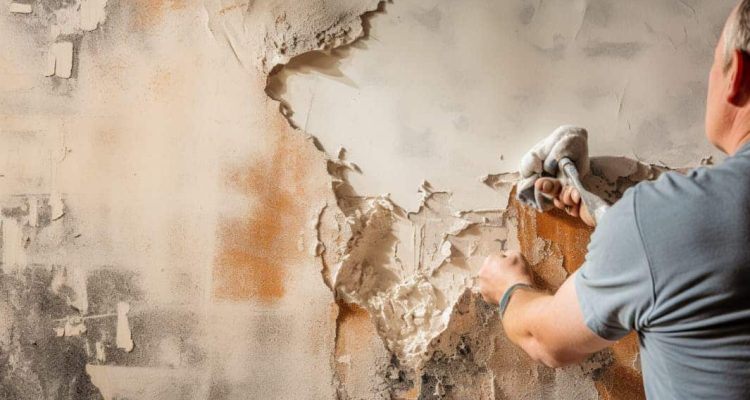
Ceiling water damage often begins subtly before becoming dramatic. Early warning signs include yellowish or brownish water stains that gradually expand, paint bubbling or peeling on the ceiling surface, and a slightly soft or spongy feeling when touched. As water accumulation continues, the drywall becomes increasingly saturated, eventually sagging visibly under the weight of absorbed water. In severe cases, saturated ceiling drywall can collapse — sending water, wet debris, and potentially mold-contaminated material crashing down without warning.
If you notice any ceiling discoloration, bubbling, or sagging in your Northern Virginia home, the situation is urgent. Turn off the water supply if a plumbing leak is suspected, place containers under dripping areas, and call PSolution Services immediately at 571-655-7207. Do not attempt to poke holes in a sagging ceiling yourself — the sudden release of trapped water can cause injury and further damage.
What Causes Ceiling Water Damage
Understanding the water source is critical for effective repair. The most common causes of ceiling water damage in Loudoun County and Fairfax County homes include plumbing leaks from bathrooms, kitchens, or laundry rooms located directly above, including slow drain leaks, supply line failures, toilet wax ring failures, and shower pan leaks. Roof leaks from damaged shingles, failed flashing around chimneys and vents, or ice dam formation during winter allow water to enter the attic and saturate ceiling materials below. Condensation in poorly ventilated attics creates moisture that drips onto ceiling drywall, often misidentified as a roof leak. HVAC condensate line overflows or leaks from ceiling-mounted air handlers release water directly onto ceiling materials. Upstairs appliance failures from washing machines, dishwashers, or water heaters on upper floors send water cascading down through floor assemblies into ceilings below.
Our Ceiling Repair Process
PSolution Services follows a systematic process for ceiling water damage that addresses both the visible damage and the hidden moisture that causes long-term problems. We begin by identifying and stopping the water source — no ceiling repair can succeed if water continues entering from above. Our technicians use infrared cameras and moisture meters to map the full extent of moisture penetration, which typically extends well beyond the visible stain or sag.
Water extraction removes any standing or pooling water from the ceiling cavity and the floor or room above. We then set up structural drying equipment — often including air movers directed upward at the ceiling and dehumidifiers to control humidity — to dry all affected materials. For ceilings with insulation above, we typically need to access the attic or floor cavity above to remove saturated insulation that will not dry effectively in place and will become a mold source if left wet.
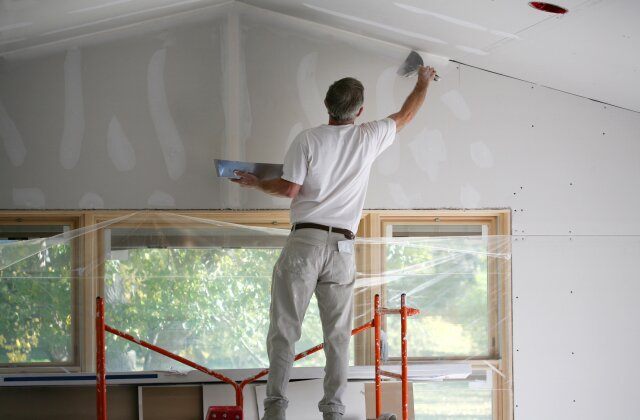
Once all affected areas are verified dry through instrument readings, our drywall restoration team begins repairs. This may range from cutting out and replacing damaged ceiling drywall sections, retaping and mudding joints for a seamless finish, priming with stain-blocking primer, and painting to match the existing ceiling, to complete ceiling replacement in rooms where damage is too extensive for sectional repair. Our finish work is meticulous — when we are done, repaired areas are indistinguishable from the original ceiling.
When Ceilings Need Full Replacement vs. Repair
Not every water-stained ceiling requires complete replacement. PSolution Services evaluates each situation individually to recommend the most cost-effective approach. Minor water stains from brief exposure can often be addressed by drying, priming with a shellac-based stain blocker, and repainting. Drywall that has been saturated but not structurally compromised — meaning it is still firmly attached to the joists and has not crumbled or delaminated — can often be dried in place and refinished.
However, drywall that has sagged, crumbled, delaminated (paper separating from the gypsum core), or developed mold must be replaced. Ceiling drywall that has collapsed or shows signs of structural compromise must be replaced for safety. In homes across Ashburn and Sterling where ceilings may have been wet for extended periods before discovery — such as slow second-floor bathroom leaks — replacement is usually necessary because prolonged saturation destroys the structural integrity of drywall. We provide honest assessments that prioritize your safety and your budget — we never recommend replacement when repair is a viable option.
Mold Risk in Water-Damaged Ceilings
Ceiling cavities provide ideal conditions for mold growth — they are dark, enclosed, insulated (which retains moisture), and often poorly ventilated. Mold can begin colonizing wet ceiling materials within 24 to 48 hours of water exposure. Because ceiling cavities are hidden, mold can grow extensively before becoming visible as staining on the ceiling surface below or producing a musty odor in the room.
During every ceiling water damage repair, PSolution Services inspects for mold in the ceiling cavity, attic space, and affected wall areas. If mold is present, our mold remediation team addresses it as part of the repair process — removing mold-affected materials, treating surrounding areas with antimicrobial solutions, and ensuring the space is clean before new drywall is installed. This integrated approach prevents the common problem of mold returning behind newly installed ceiling materials.
Preventing Ceiling Water Damage
Northern Virginia homeowners can reduce the risk of ceiling water damage through proactive maintenance. Inspect caulk and grout in second-floor bathrooms annually, checking for gaps that allow water to reach the subfloor. Replace rubber supply hoses on washing machines and dishwashers with braided stainless steel every 5 years. Have HVAC condensate drain lines inspected and flushed annually. Inspect your attic for signs of roof leaks or condensation after heavy rains and during winter. Install water leak sensors under upstairs appliances and in the attic near HVAC equipment for early detection of problems before they damage ceilings below.
Frequently Asked Questions: Ceiling Water Damage
Is a water-stained ceiling dangerous?
A water-stained ceiling indicates moisture exposure that may have compromised structural integrity. A sagging ceiling is especially dangerous as it can collapse. Call PSolution Services at 571-655-7207 immediately for assessment in Ashburn, Leesburg, Sterling, Fairfax, Reston, Herndon, and all Northern Virginia communities. Do not stand directly beneath a sagging ceiling.
Can you match my existing ceiling texture when repairing?
Yes. Our drywall specialists in Loudoun County and Fairfax County are skilled in matching all common ceiling textures including smooth, knockdown, orange peel, popcorn, and custom patterns. We ensure repaired sections blend seamlessly with surrounding unaffected areas.
How much does ceiling water damage repair cost?
Costs depend on the size of the affected area, whether the drywall needs replacement or just refinishing, and whether mold remediation is needed. Most homeowner insurance policies cover sudden ceiling water damage. PSolution Services provides free estimates and helps with insurance claim documentation.
How long does ceiling repair take after water damage?
Drying typically takes 3 to 5 days. Drywall repair, including mudding, sanding, priming, and painting, adds 2 to 5 days depending on the scope. Most ceiling water damage projects in Northern Virginia homes are complete within 1 to 2 weeks from start to finish.
Expert Ceiling Water Damage Repair in Northern Virginia
From emergency water extraction through flawless drywall finishing, PSolution Services restores water-damaged ceilings throughout Ashburn, Leesburg, Sterling, Fairfax, Reston, Herndon, and all of Loudoun County and Fairfax County. Call 571-655-7207 for immediate service — we stop the water, dry the structure, repair the ceiling, and make it look like it never happened.
Related Articles
Found this recovery protocol helpful?
Speak with our licensed specialists for emergency restoration in Virginia, Maryland, or DC.