Why "It Feels Dry" is the Most Dangerous Phrase in Restoration
The Hidden Danger of Trusting Your Senses After Water Damage
After water damage in your Northern Virginia home, surfaces may feel dry to the touch within a day or two. Walls look normal. Floors seem fine. And the natural instinct is to think the problem is solved. But in the restoration industry, "it feels dry" is the most dangerous phrase a homeowner can say. At Prime Solution Restoration, our structural drying and dehumidification specialists use science, not senses, to determine when a property is truly dry, because what you cannot see and feel is what causes the most expensive damage. This is especially critical after storm damage events, where water intrusion can affect multiple areas simultaneously.
Why Surfaces Feel Dry When They Are Not
Water follows the path of least resistance. When it contacts your home's surfaces, it rapidly migrates inward. Within minutes, water wicks into drywall, traveling up wall cavities through capillary action. It penetrates through carpet and pad into the subfloor and then into the structural framing below. It absorbs into concrete foundations and floor slabs. It saturates insulation inside wall and ceiling cavities.
Surface evaporation happens relatively quickly, especially with airflow and heat. But the moisture deep inside building materials can remain elevated for weeks. In Northern Virginia's humid climate, particularly during the summer months when outdoor humidity in Ashburn VA, Leesburg VA, Sterling VA, and Fairfax VA regularly exceeds 70 percent, natural drying is insufficient to remove trapped interior moisture.
What Happens When Hidden Moisture Is Left Behind
Mold Growth
Mold requires only moisture and an organic food source. Drywall paper, wood framing, carpet backing, and insulation are all organic materials found inside your walls. When these materials remain damp even though surfaces feel dry, mold colonies develop in hidden cavities. Homeowners often do not discover this mold until months later when musty odors appear or health symptoms develop. At that point, professional mold remediation is required, which costs significantly more than proper initial drying.
Structural Deterioration
Wood framing that remains moist begins to weaken, warp, and rot. Over time, this compromises the structural integrity of your home. Subfloor OSB and plywood delaminate when chronically damp. Fasteners rust. These structural problems may not become apparent until months after the water event, but they trace directly back to inadequate drying.
Secondary Water Damage
Trapped moisture migrates to adjacent dry materials, expanding the damage zone far beyond the original water contact area. Stains appear on walls and ceilings weeks later. Paint blisters and peels. Flooring warps and buckles. What started as a manageable water damage event becomes a much larger and more expensive drywall repair and replacement project.
How Professional Moisture Detection Works
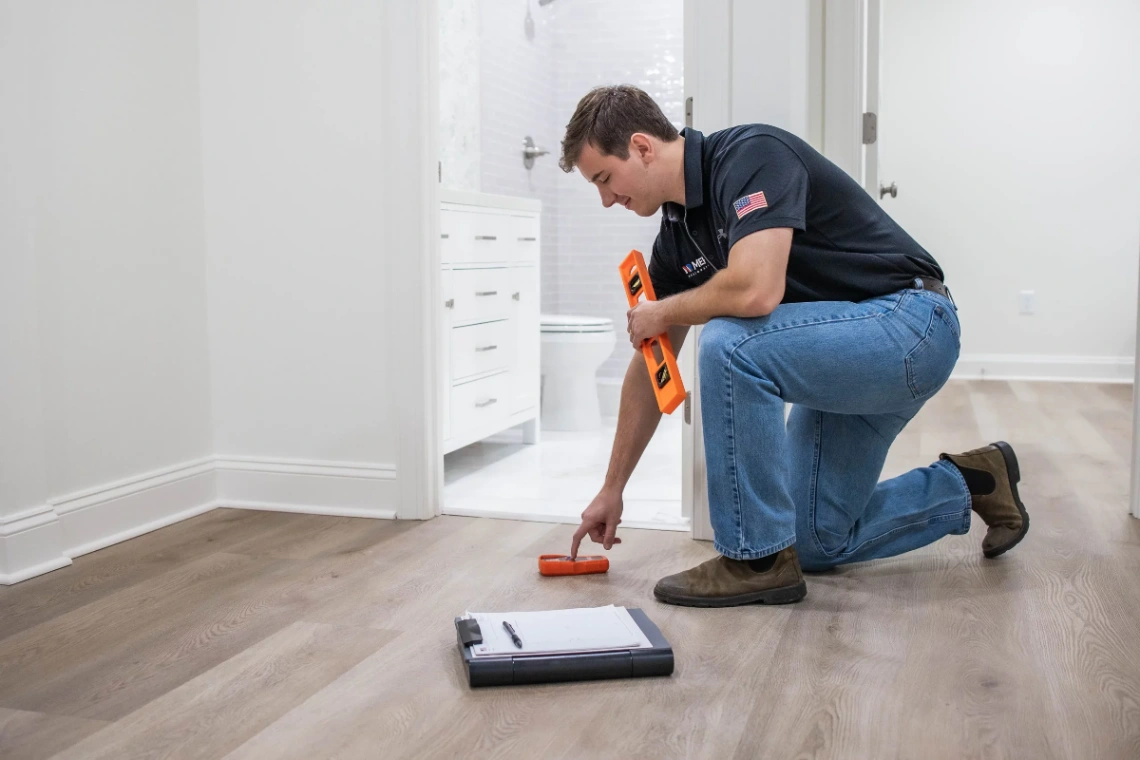
IICRC-certified restoration technicians use specialized instruments that measure what human senses cannot. Pin-type moisture meters penetrate building materials and measure moisture content at specific depths, detecting trapped moisture inside walls, subfloors, and framing. Pinless radar-type moisture meters scan large areas quickly to create moisture maps showing the extent and location of hidden moisture without penetrating surfaces. Infrared thermal imaging cameras detect temperature differentials caused by evaporating moisture, revealing wet areas hidden inside walls, under floors, and above ceilings. Thermo-hygrometers measure ambient temperature and relative humidity to calculate drying efficiency and determine when equipment can be removed.
At Prime Solution Restoration, we take moisture readings at multiple points throughout the affected area twice daily during the drying process. We document every reading and create moisture maps that show the progression of drying. Equipment is never removed until readings confirm that all materials have reached safe moisture levels, typically below 15 percent for wood and equivalent levels for other materials.
The Professional Structural Drying Process
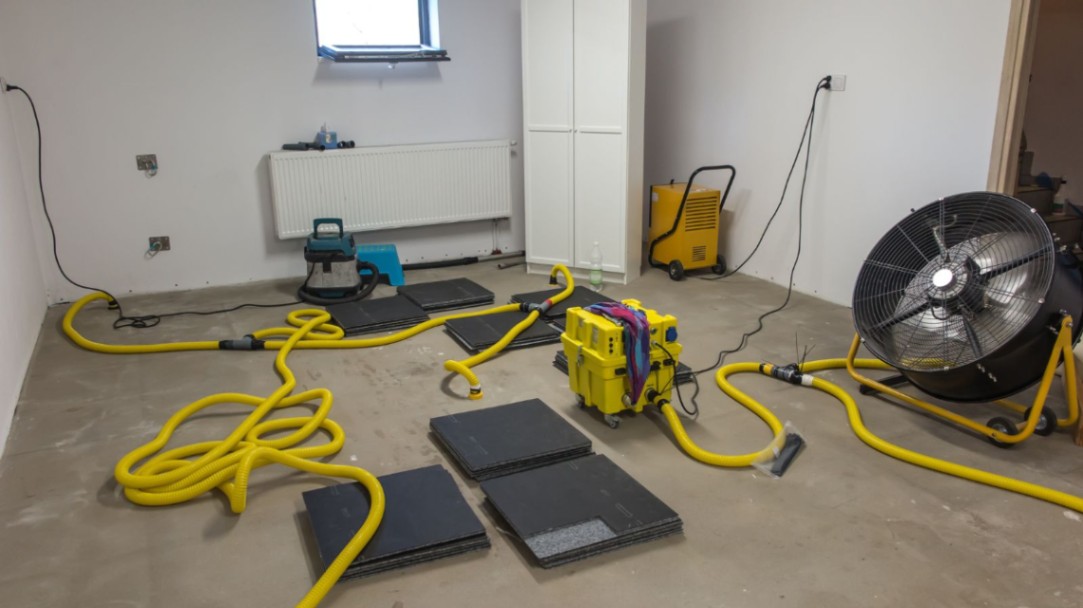
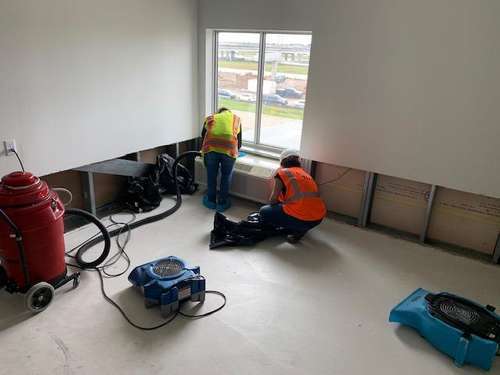
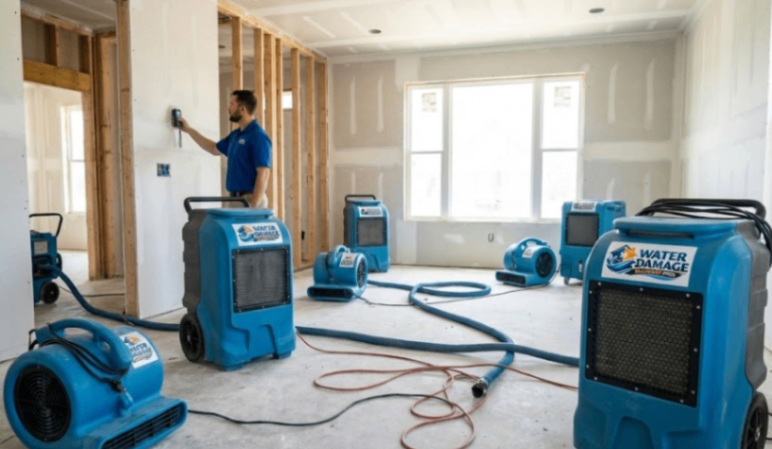
Our industrial-grade dehumidification process follows IICRC S500 standards. We begin with comprehensive moisture mapping to establish the full scope of the affected area. Commercial air movers are positioned to create directed airflow across wet surfaces, accelerating evaporation. Desiccant or refrigerant dehumidifiers remove moisture from the air as it evaporates from materials. Specialty drying equipment including injectidry systems, wall cavity drying panels, and hardwood floor drying mats target specific materials and hard-to-reach areas. The entire system is monitored and adjusted daily based on moisture readings.
Professional structural drying typically takes 3 to 5 days for standard water damage events in Northern Virginia homes. Factors that can extend drying time include the category and volume of water, the types of materials affected, the ambient humidity levels, and the square footage involved. Homes in Ashburn, Leesburg, Sterling, Reston, Herndon, and throughout Loudoun County and Fairfax County can experience longer drying times during summer months due to high outdoor humidity.
Frequently Asked Questions
How can I tell if my walls are still wet after water damage?
You cannot reliably tell by touch. Professional moisture meters are the only accurate method for determining whether building materials have dried to safe levels. If you have experienced water damage, contact us for a free moisture inspection using professional-grade instruments.
How long should structural drying take after water damage?
Professional structural drying typically takes 3 to 5 days using commercial-grade equipment. Natural drying without professional equipment can take weeks or months and often leaves hidden moisture that causes mold and structural problems. Never assume drying is complete based on surface feel or visual appearance.
Can I use household fans and dehumidifiers instead of professional equipment?
Household equipment is insufficient for structural drying after significant water damage. Commercial air movers produce 10 to 20 times more airflow than household fans. Commercial dehumidifiers remove 10 to 30 times more moisture per day than residential units. Professional equipment also includes specialty tools for drying wall cavities, subfloors, and concrete that household equipment cannot address.
What happens if I skip professional drying and just do repairs?
Repairing over hidden moisture is one of the most costly mistakes after water damage. Mold will develop behind new drywall and under new flooring within weeks. Paint will blister and peel. New materials will warp and stain. You will end up paying for demolition, mold remediation, drying, and then repairs again, costing 2 to 3 times what proper initial drying would have cost.
Does insurance cover professional structural drying?
Yes, structural drying is a standard covered expense under water damage insurance claims in Virginia. Insurance companies expect and prefer that certified professionals handle drying because improper drying leads to much larger claims later. Prime Solution Restoration documents all drying work with moisture readings and photo evidence for your insurance claim.
Concerned About Hidden Moisture in Your Northern Virginia Home?
Prime Solution Restoration provides free moisture inspections and professional structural drying services. We use science, not guesswork, to ensure your home is truly dry.
Service Areas: Ashburn • Leesburg • Sterling • Fairfax • Reston • Herndon • Centreville • Loudoun County • Fairfax County
Call Now: 571-655-7207
Headquarters: 42785 Generation Dr, Ashburn, VA 20147
Related Articles
• Why Structural Drying Is the Most Important Step After Water Damage
• How to Prevent Mold After Flooding in Virginia
• Water Damage Emergency: What to Do in the First 60 Minutes
• Drywall Repair After Water Damage in Northern Virginia
• Storm Damage Restoration in Northern Virginia: Complete Recovery Guide
Found this recovery protocol helpful?
Speak with our licensed specialists for emergency restoration in Virginia, Maryland, or DC.