Storm Damage Restoration in Northern Virginia: Complete Recovery Guide
Virginia Storm Damage: What Homeowners Need to Know
Northern Virginia experiences severe storms throughout the year — from spring thunderstorms and summer hurricanes to winter ice storms. Each one can leave behind a trail of destruction: water intrusion through compromised roofs, broken windows, flooded basements, and structural damage that threatens your family's safety. When storm damage strikes your Ashburn, Leesburg, or Sterling home, understanding the restoration process can mean the difference between a quick recovery and months of ongoing problems.
At PSolution Services, we specialize in comprehensive storm damage restoration across Northern Virginia, responding within 60 minutes to begin the assessment and mitigation process. Our IICRC-certified technicians handle everything from emergency water extraction to complete structural rebuild — so you can focus on your family while we restore your property.
Common Types of Storm Damage in Northern Virginia
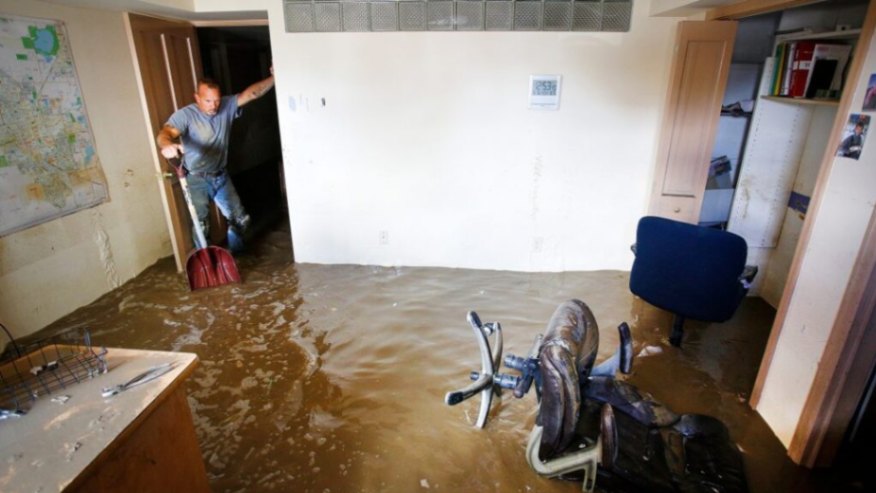
Virginia's Mid-Atlantic location makes it vulnerable to diverse weather events. The most common storm damage scenarios we respond to in Loudoun County, Fairfax County, and surrounding areas include wind-driven rain that penetrates roof systems, causing attic and ceiling water damage that can go unnoticed for days. Fallen tree limbs that breach exterior walls expose your home's interior to continuous moisture intrusion. Flash flooding during heavy downpours overwhelms drainage systems, pushing water into basements and crawl spaces throughout Reston, Herndon, and Fairfax.
Hail damage creates micro-fractures in roofing materials and siding that may not leak immediately but worsen over subsequent storms. Ice dams in winter force meltwater under shingles, saturating roof decking and insulation. Lightning strikes can cause both fire and electrical surge damage that requires specialized assessment before the home is safe to occupy.
The Hidden Danger: Secondary Water Damage
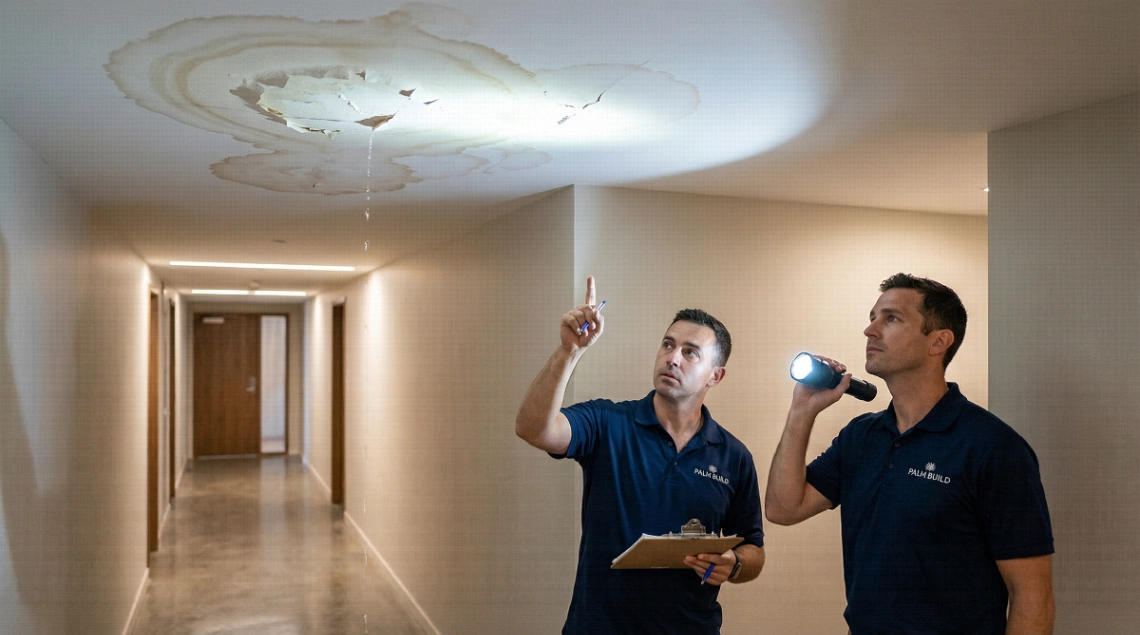
The initial storm damage is only the beginning. What many homeowners in Northern Virginia don't realize is that secondary water damage — the moisture left behind after the storm passes — causes far more destruction than the original event. Within 24 to 48 hours, damp building materials become breeding grounds for mold. Within a week, structural wood begins to warp, swell, and weaken. Drywall absorbs moisture like a sponge, wicking water far beyond the visible damage zone.
This is why professional structural drying and dehumidification isn't optional — it's essential. Our team uses thermal imaging cameras and moisture meters to map the full extent of water penetration, often discovering damage hidden behind walls and under flooring that would otherwise go untreated.
Our Storm Damage Restoration Process
Step 1: Emergency Response and Assessment
When you call 571-655-7207, our emergency dispatch team coordinates a rapid response. We arrive with commercial-grade equipment ready to begin work immediately. Our technicians conduct a thorough damage assessment using moisture detection technology, documenting every affected area for your insurance claim. We secure the property with emergency board-up and tarping services to prevent further exposure to the elements.
Step 2: Water Extraction and Debris Removal
Using truck-mounted extraction units and commercial submersible pumps, we remove standing water rapidly. Storm debris — broken glass, fallen branches, damaged building materials — is safely removed and catalogued. Every item is documented photographically for insurance purposes. In cases of contaminated floodwater (Category 3), we follow strict EPA-compliant protocols to protect your family's health.
Step 3: Structural Drying and Monitoring
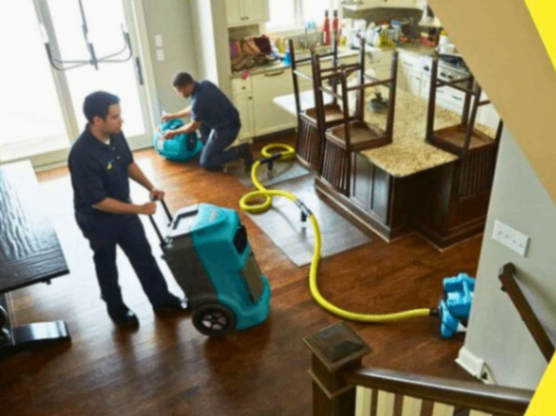
Our industrial dehumidifiers and high-velocity air movers create optimal drying conditions throughout your home. We place moisture monitoring equipment at strategic points and track drying progress daily. The goal is to return all building materials to their pre-storm moisture levels — typically 10-14% for wood framing. This process usually takes 3 to 5 days depending on the severity of the intrusion and the building materials involved.
Step 4: Mold Prevention and Treatment
Storm damage creates ideal conditions for mold growth. We apply EPA-registered antimicrobial treatments to all affected surfaces during the drying process. If mold has already begun to colonize — which can happen within 24 hours in Virginia's humid climate — our certified mold remediation team follows IICRC S520 protocols for safe removal and treatment.
Step 5: Restoration and Reconstruction
Once the structure is thoroughly dried and treated, our interior restoration team begins the rebuild phase. From drywall repair and replacement to painting, flooring, and trim work, we handle every aspect of returning your home to its pre-storm condition — often with improvements that make it more resilient to future weather events.
Filing Insurance Claims for Storm Damage in Virginia
Virginia homeowners insurance policies typically cover storm damage, but the claims process can be complex. Our team assists with comprehensive documentation from the moment we arrive on site. We provide detailed moisture maps, photograph all damage, and create itemized reports that insurance adjusters need to process your claim efficiently. For a detailed walkthrough of the insurance process, read our guide on filing water damage insurance claims in Virginia.
Important tip: Contact your insurance company within 24 hours of discovering storm damage. Virginia law requires homeowners to mitigate further damage once they become aware of it — which is exactly what our emergency services accomplish. Keep all receipts and documentation we provide; they become part of your claim file.
Preparing Your Northern Virginia Home for Storm Season
Prevention is always more cost-effective than restoration. We recommend annual roof inspections before spring storm season, especially for homes in Ashburn, Sterling, and Leesburg where wind exposure is significant. Clean gutters and downspouts quarterly to ensure proper drainage. Install battery-backup sump pumps in basements — they protect your home even during power outages. Consider impact-resistant roofing materials when it's time to replace your roof. Grade your landscaping to direct water away from your foundation.
Frequently Asked Questions About Storm Damage Restoration
How quickly should I call a restoration company after a storm?
Immediately. The longer water sits in your home, the more extensive the damage becomes. Mold can begin growing within 24 hours in Virginia's climate. Our 24/7 emergency team responds within 60 minutes throughout Northern Virginia.
Does homeowner's insurance cover storm damage in Virginia?
Most standard Virginia homeowner policies cover wind, hail, and lightning damage. However, flood damage from rising water typically requires separate NFIP flood insurance. Our team helps you navigate the claims process regardless of your coverage type.
How long does storm damage restoration take?
Emergency stabilization takes 24-48 hours. Structural drying typically requires 3-5 days. Full restoration — including drywall, painting, and finish work — ranges from 1 to 6 weeks depending on the extent of damage. We provide a detailed timeline after our initial assessment.
Can I stay in my home during storm damage restoration?
It depends on the severity. Minor roof leaks and isolated water damage can usually be restored while you occupy the home. Extensive flooding, structural compromise, or mold contamination may require temporary relocation. We work with your insurance company to arrange housing if needed.
What should I do while waiting for the restoration team to arrive?
Turn off electricity to affected areas if safe to do so. Move valuable items away from water. Place containers under active leaks. Document everything with photos and video. Do not attempt to remove standing water yourself if it may be contaminated.
Service Areas for Storm Damage Restoration
PSolution Services provides 24/7 storm damage restoration throughout Northern Virginia, including Ashburn VA, Leesburg VA, Sterling VA, Fairfax VA, Reston VA, Herndon VA, Loudoun County VA, Fairfax County VA, and all surrounding communities. Call 571-655-7207 for immediate emergency response.
Related Articles
• Water Damage Emergency: What to Do in the First 60 Minutes
• Basement Flooding in Ashburn VA: Causes, Cleanup & Protection
• Why Structural Drying Is the Most Important Step After Water Damage
• How to Prevent Mold After Flooding in Virginia
• My Basement is Flooded! A No-Panic Guide to Saving Your Home
• Why "It Feels Dry" is the Most Dangerous Phrase in Restoration
Found this recovery protocol helpful?
Speak with our licensed specialists for emergency restoration in Virginia, Maryland, or DC.