Sump Pump Failure & Basement Flooding Northern Virginia | Prevention & Emergency Response
Sump Pump Failure in Northern Virginia: When Your Last Line of Defense Goes Down
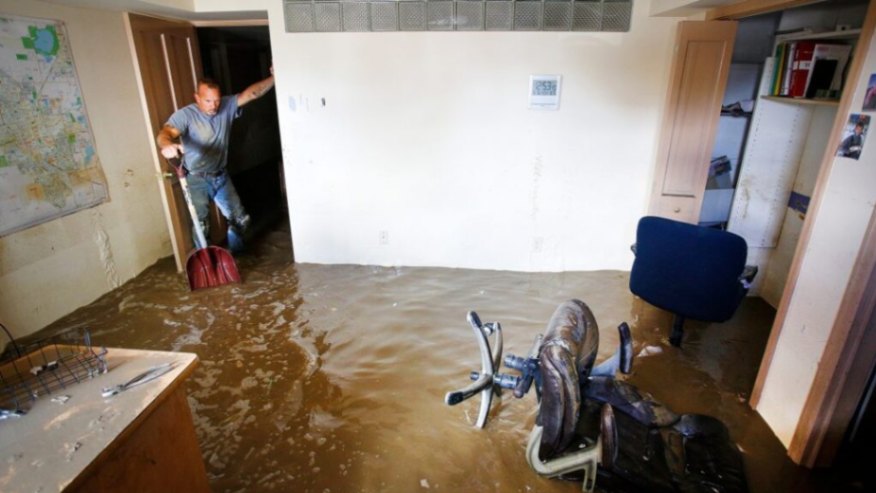
For thousands of Northern Virginia homeowners, a sump pump is the silent guardian that keeps basements dry through spring deluges, summer thunderstorms, and the high water table conditions common across Fairfax and Loudoun Counties. When that sump pump fails—whether from power outage, mechanical breakdown, float switch malfunction, or simply being overwhelmed by an exceptional storm—the result is often catastrophic basement flooding that demands immediate emergency water extraction and professional restoration.
PSolution Services responds to sump pump failure emergencies 24/7 throughout Northern Virginia, including Ashburn, Sterling, Leesburg, Centreville, Reston, Herndon, Vienna, McLean, Great Falls, and all of Loudoun and Fairfax Counties. Our technicians arrive within 60 minutes with truck-mounted extraction equipment capable of removing thousands of gallons of water per hour from your flooded basement. Call 571-655-7207 immediately if your sump pump has failed and water is rising.
Why Sump Pumps Fail in Northern Virginia
Understanding why sump pumps fail helps homeowners take preventive action. The most common cause of sump pump failure in Northern Virginia is power outage. When severe storms knock out power—a frequent occurrence across the region, particularly in areas served by above-ground utility lines—your sump pump stops running at exactly the moment water infiltration is at its worst. Battery backup systems mitigate this risk, but only if they're properly maintained and the battery is replaced on schedule.
Mechanical failures are the second most common cause. Sump pumps are mechanical devices with finite lifespans—most residential pumps last 7-10 years with proper maintenance. Float switches can stick or fail, impellers can wear or jam with debris, check valves can deteriorate allowing water to flow back into the pit, and discharge lines can freeze or become blocked during winter months. Northern Virginia's clay-heavy soil creates additional strain on sump pumps because it retains water longer, meaning pumps run more frequently and wear out faster than in well-draining soil conditions.
Overwhelmed capacity is another frequent scenario. A standard residential sump pump handles 2,000-3,000 gallons per hour. During exceptional storms—the kind that drop 2-4 inches of rain in a few hours, as Northern Virginia experiences several times per year—groundwater infiltration can exceed pump capacity, causing the pit to overflow despite the pump running continuously. Homes in low-lying areas, near streams, or with high water tables are most vulnerable to this scenario.
Emergency Response When Your Sump Pump Fails
If you discover your sump pump has failed and water is entering your basement, take these immediate steps before help arrives. First, if it's safe to do so and water hasn't reached electrical outlets, check your circuit breaker—sometimes the pump has simply tripped a breaker. If power is out, deploy a battery backup or water-powered backup pump if you have one. Move valuable items and electronics above the water line. Do NOT use a standard household wet-dry vacuum for large-scale flooding—it's inadequate and risks electrical shock. Do NOT enter standing water that may be in contact with electrical sources.
Call PSolution Services at 571-655-7207 for immediate professional extraction. Our team brings commercial-grade pumps that extract water 10-20 times faster than consumer equipment, along with the industrial dehumidification equipment needed to properly dry the space afterward.
The Hidden Damage of Basement Flooding
Many homeowners focus on getting the visible water out without realizing that the real damage is happening inside walls, under floors, and in the building's structural components. Water wicks upward through drywall, soaking 12-18 inches above the visible water line. Insulation behind walls becomes saturated and loses all thermal value. Carpet padding acts like a sponge, trapping contaminated water against subflooring. Electrical wiring, outlets, and junction boxes below the flood line may be compromised.
Most critically, the clock is ticking on mold growth. Mold spores begin colonizing damp materials within 24-48 hours of water exposure. In a flooded basement with countless hidden surfaces retaining moisture, mold can establish extensive colonies within days if professional drying isn't completed. Our restoration process includes antimicrobial treatment and verified drying to IICRC standards specifically to prevent this secondary damage.
Preventing Sump Pump Failure in Your Northern Virginia Home
Proactive maintenance dramatically reduces sump pump failure risk. Test your sump pump quarterly by pouring water into the pit until the float activates. Install a battery backup system and test it annually—replace the battery every 2-3 years. Consider a water-powered backup pump as an additional safety layer that operates during extended power outages when batteries are exhausted. Clean the pump intake screen and pit of debris annually. Replace your primary sump pump every 7-10 years, or sooner if it runs frequently. Install a high-water alarm that alerts you if the water level in your pit rises above normal, giving you time to respond before overflow occurs.
For homes in high-risk areas—near streams, in flood zones, or with persistently high water tables—consider upgrading to a commercial-grade pump with higher capacity, adding a second pump in the same pit, or installing a perimeter drain system to reduce the volume of water reaching your sump pit.
PSolution Services provides both emergency flood response and preventive consultations for Northern Virginia homeowners. For emergency service, call 571-655-7207 any time, 24/7. We serve Ashburn, Centreville, Reston, Herndon, Sterling, and all of Northern Virginia.
Frequently Asked Questions: Sump Pump Failure in Northern Virginia
How quickly can you respond to basement flooding from sump pump failure?
PSolution Services provides 60-minute emergency response throughout Northern Virginia, 24 hours a day, 365 days a year. Our truck-mounted extraction systems can begin removing water from your basement within minutes of arrival. Call 571-655-7207 immediately.
Does homeowner insurance cover flooding from sump pump failure?
Sump pump failure and water backup are typically covered only if you have a specific water backup endorsement on your homeowner policy. Standard policies generally exclude this coverage. Contact your insurance agent to verify your coverage. The endorsement is usually affordable—typically $50-100 per year—and well worth the investment for Northern Virginia homes.
How long should I expect the basement drying process to take?
Professional structural drying after basement flooding typically takes 3-5 days, depending on the depth of flooding, materials affected, and ambient conditions. Our technicians monitor moisture levels daily and adjust equipment placement to optimize drying. Complete restoration including any necessary drywall, flooring, and finishing work may take 1-3 weeks for moderate damage.
Should I replace my sump pump after a failure?
Yes, if the pump failed mechanically or is more than 7-10 years old. We recommend replacing the pump, adding a battery backup system if you don't have one, and considering a higher-capacity pump if yours was overwhelmed rather than mechanically failed. Prevention is always less expensive than emergency restoration.
Can mold grow in my basement after flooding even if I extracted the water quickly?
Yes. Even after visible water is removed, moisture trapped in walls, under flooring, and in building materials can support mold growth within 24-48 hours. Professional extraction must be followed by industrial dehumidification and antimicrobial treatment to prevent mold. Learn more about preventing mold after flooding.
Related Articles
Found this recovery protocol helpful?
Speak with our licensed specialists for emergency restoration in Virginia, Maryland, or DC.