How to Prevent Mold After Flooding in Virginia: A Professional Timeline and Action Plan
The Critical Window: Why Mold Prevention After Flooding Starts Immediately
When flooding strikes a home in Ashburn VA, Leesburg VA, Fairfax VA, or anywhere in Northern Virginia, the immediate concern is removing water and saving belongings. But the hidden danger that causes the most long-term damage and health problems is mold. Mold spores are naturally present in every home. They only need two things to begin growing: moisture and an organic food source such as drywall paper, wood, carpet, or insulation. After a flooding event, your home provides both in abundance.
The clock starts the moment water enters your home. Understanding the professional timeline for mold prevention is the difference between a straightforward water damage restoration and a costly mold remediation project that can cost three to five times more. As certified restoration professionals serving Northern Virginia for over 15 years, Prime Solution Restoration has developed this action plan based on thousands of successful flood responses.
The Mold Growth Timeline After Flooding
0 to 24 Hours: The Golden Window
The first 24 hours after flooding represent your best opportunity to prevent mold entirely. During this period, mold spores that are present in the air begin settling on wet surfaces. The spores have not yet germinated or established colonies. If water is extracted and professional structural drying begins within this window, the risk of mold development is minimal. This is why Prime Solution Restoration emphasizes 60-minute response times across Loudoun County, Fairfax County, and the entire DMV region.
24 to 48 Hours: Active Colonization Begins
If surfaces remain wet beyond 24 hours, mold spores begin germinating. Microscopic root structures called hyphae penetrate into damp materials. At this stage, mold may not yet be visible to the naked eye, but it is actively growing. Virginia's warm and humid climate, with summer temperatures between 75 and 95 degrees Fahrenheit and humidity averaging 70 to 80 percent, creates ideal conditions for rapid colonization. Homes in Ashburn, Sterling, Reston, Herndon, and surrounding areas are particularly susceptible during the months of May through September.
48 to 72 Hours: Visible Mold Appears
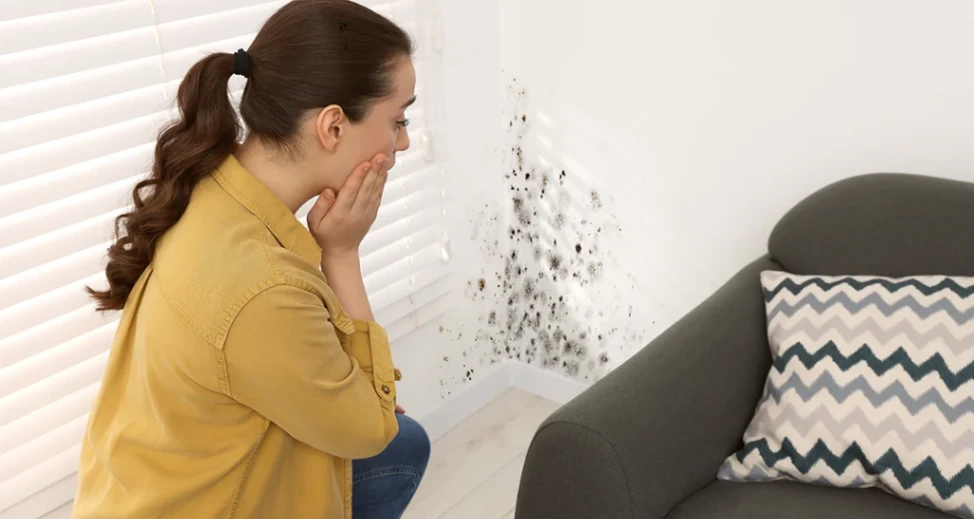
Within 48 to 72 hours, mold colonies become visible as fuzzy or discolored patches on walls, ceilings, baseboards, and other surfaces. Common species found in Northern Virginia homes after flooding include Aspergillus, Penicillium, and Cladosporium. In severe cases, Stachybotrys chartarum, commonly called black mold, can also develop, particularly on paper-faced drywall and ceiling tiles that remain wet for extended periods.
1 to 2 Weeks: Established Infestation
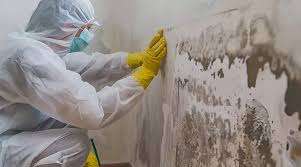
After one to two weeks of continued moisture, mold infestations become established and begin producing large quantities of spores that spread through the air to colonize new areas. The mold penetrates deep into porous materials, making surface cleaning ineffective. At this point, affected materials typically must be removed and replaced, and professional remediation with containment barriers and HEPA air filtration is required.
Professional Mold Prevention Protocol After Flooding
Phase 1: Emergency Water Extraction (Hours 0 to 6)
The foundation of mold prevention is removing standing water as quickly as possible. Professional water extraction using truck-mounted systems removes the bulk of water from your home. Submersible pumps handle deep standing water while weighted extraction tools remove water from carpets, pad, and hard surfaces. Every hour of delay increases mold risk significantly, which is why we respond to emergency calls within 60 minutes throughout Ashburn VA, Leesburg VA, Sterling VA, Fairfax VA, and all of Northern Virginia.
Phase 2: Content Removal and Triage (Hours 2 to 12)
Wet contents must be quickly triaged. Salvageable items are moved to a dry area or taken off-site for professional cleaning and drying. Porous items that have been submerged for extended periods, including upholstered furniture, mattresses, and unsealed particleboard, often cannot be effectively decontaminated and must be disposed of. Removing wet contents allows air to circulate freely and speeds up structural drying.
Phase 3: Structural Drying and Dehumidification (Days 1 to 5)
This is the most critical phase for mold prevention. Our technicians deploy commercial-grade air movers, desiccant dehumidifiers, and low-grain refrigerant dehumidifiers to create optimal drying conditions. The goal is to reduce moisture in all building materials to safe levels, typically below 15 percent for wood and below 1 percent for concrete. We monitor moisture levels twice daily using professional moisture meters and document readings to ensure drying is progressing on schedule. In Northern Virginia's humid climate, relying on natural drying or residential dehumidifiers is insufficient and will almost certainly result in mold growth. Professional industrial-grade dehumidification is essential.
Phase 4: Antimicrobial Treatment (Day 1 and Ongoing)
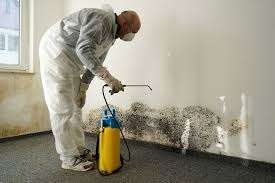
EPA-registered antimicrobial solutions are applied to all affected surfaces beginning on day one and continuing throughout the drying process. These treatments inhibit mold growth during the vulnerable drying period. Our technicians apply antimicrobials to wall cavities, subfloor systems, framing members, and all exposed structural surfaces. The products we use are safe for occupied environments while being effective against a broad spectrum of mold species common in the Virginia region.
Phase 5: Air Quality Monitoring (Throughout Process)
Professional air quality monitoring using particle counters and air sampling equipment ensures that indoor air quality remains safe throughout the restoration process. If elevated spore counts are detected, HEPA air scrubbers are deployed to filter airborne mold spores. Post-restoration air quality testing verifies that the home is safe for occupancy and that no mold contamination remains.
DIY Mold Prevention Steps Homeowners Can Take While Waiting for Professionals
While professional restoration is essential after significant flooding, there are steps homeowners can take immediately. Open all windows and doors if outdoor conditions are dry to increase ventilation. Run any available fans to keep air moving across wet surfaces. Remove as much standing water as possible using a wet/dry vacuum or mops. Move wet items away from walls and elevate furniture off wet floors using blocks or aluminum foil. Turn up your air conditioning to reduce humidity. Do not turn on your HVAC system's heating mode, as warm air in a damp environment accelerates mold growth.
When Mold Prevention Fails: Signs You Need Professional Remediation
Despite best efforts, mold can sometimes develop after flooding, especially when hidden moisture is not detected. Signs that mold remediation is needed include a persistent musty or earthy smell that does not go away after drying, visible discoloration on walls, ceilings, or baseboards that was not present before the flooding, allergic reactions such as sneezing, coughing, or respiratory irritation when inside the home, peeling paint or wallpaper that indicates moisture behind wall surfaces, and humidity readings that remain elevated despite drying efforts. If you suspect mold in your home after flooding, contact Prime Solution Restoration for a professional inspection. Our certified mold remediation team uses thermal imaging and moisture meters to identify hidden mold and develops a targeted remediation plan.
Frequently Asked Questions
How fast does mold grow after flooding in Virginia?
In Virginia's climate, mold spores can begin germinating on wet surfaces within 24 hours. Visible mold colonies typically appear within 48 to 72 hours. During summer months when humidity is highest, mold can grow even faster. This is why professional water extraction and drying within the first 24 hours is the most effective mold prevention strategy.
Can I prevent mold by just running fans and opening windows?
Fans and ventilation help but are not sufficient for significant flooding. Residential fans and natural airflow cannot remove moisture trapped inside walls, under floors, or within insulation. Professional structural drying uses commercial equipment that is 10 to 20 times more powerful than household fans and dehumidifiers. Opening windows can also introduce humid outdoor air that slows drying during Virginia's summer months.
Does bleach kill mold after flooding?
Bleach can kill surface mold on non-porous materials but is not effective on porous materials like drywall, wood, and carpet where mold roots penetrate below the surface. The EPA does not recommend bleach for mold remediation on porous materials. Professional antimicrobial treatments are specifically formulated to penetrate porous materials and provide lasting protection against regrowth.
Should I hire a mold inspector or a restoration company after flooding?
For active flooding situations, call a water damage restoration company first. Immediate water extraction and drying is the priority. If mold is suspected or discovered during restoration, a restoration company like Prime Solution Restoration that also holds mold remediation certifications can handle both services seamlessly. Independent mold inspections are most useful as post-remediation verification to confirm that mold has been successfully eliminated.
Is mold after flooding covered by homeowners insurance in Virginia?
Mold resulting from a covered water damage event, such as a burst pipe, is typically covered under Virginia homeowners insurance policies. However, many policies cap mold coverage at $5,000 to $10,000 unless additional mold endorsements are purchased. Mold resulting from flooding, which requires separate flood insurance, or from maintenance neglect is generally not covered. Fast response to the initial water damage is the best way to minimize mold-related costs.
Flood Damage and Mold Concerns in Northern Virginia? Act Now.
Prime Solution Restoration provides 24/7 emergency water extraction, professional structural drying, antimicrobial treatment, and certified mold remediation services. The faster you act, the less likely mold becomes a problem.
Service Areas: Ashburn • Leesburg • Sterling • Fairfax • Reston • Herndon • Centreville • Chantilly • Loudoun County • Fairfax County • Northern Virginia
Call Now: 571-655-7207
Headquarters: 42785 Generation Dr, Ashburn, VA 20147
Related Articles
• Mold Remediation in Loudoun County VA: Signs, Health Risks, and Removal
• Water Damage Emergency: What to Do in the First 60 Minutes
• Why Structural Drying Is the Most Important Step After Water Damage
• Basement Flooding in Ashburn VA: Causes and Cleanup
• The "M" Word: What to Do When Mold Invades Your Space
• Why "It Feels Dry" is the Most Dangerous Phrase in Restoration
• My Basement is Flooded! A No-Panic Guide to Saving Your Home
• Crawl Space Mold Removal in Northern Virginia: Professional Solutions
Found this recovery protocol helpful?
Speak with our licensed specialists for emergency restoration in Virginia, Maryland, or DC.