Mold Remediation Chantilly VA | Professional Mold Removal & Testing Fairfax County
Chantilly VA Mold Remediation: Protecting Your Home From Hidden Mold Growth
Chantilly, Virginia—home to Dulles International Airport and a thriving corridor of residential neighborhoods in western Fairfax County—faces unique mold challenges that many homeowners don't discover until the problem is well-established. From the established communities along Route 50 to newer developments near Westfields and the neighborhoods surrounding Chantilly High School, homes across the area are vulnerable to mold growth driven by Northern Virginia's humid subtropical climate. Professional mold remediation isn't just about cleaning visible mold—it's about identifying the moisture source, containing the infestation, removing contaminated materials safely, and restoring healthy indoor air quality.
PSolution Services provides comprehensive mold inspection, testing, and remediation services throughout Chantilly and all of Fairfax County. Our IICRC-certified mold remediation technicians use advanced detection equipment—including thermal imaging cameras, moisture meters, and air quality sampling—to find hidden mold growth and develop targeted removal strategies that address both the mold and its underlying moisture cause.
Why Chantilly Homes Are Particularly Vulnerable to Mold
Several factors make Chantilly homes especially susceptible to mold growth. The area's clay-heavy soil retains moisture and creates hydrostatic pressure against foundation walls, pushing water into basements and crawl spaces. Many Chantilly homes built during the 1980s and 1990s construction boom used building techniques that, while standard at the time, don't always provide adequate moisture barriers by today's standards. Additionally, Chantilly's proximity to Cub Run and its tributaries means elevated groundwater levels during wet seasons.
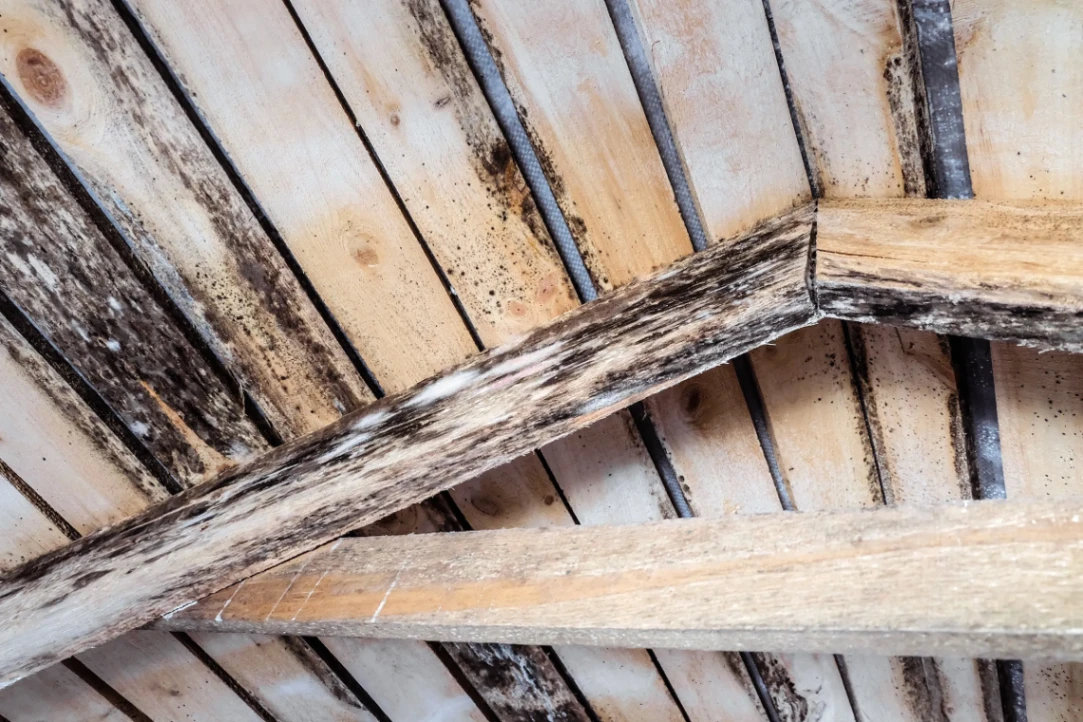
Common mold hotspots in Chantilly homes include finished basements where moisture infiltrates through concrete walls or floor slabs, bathroom walls behind tile where grout has deteriorated and water seeps into wall cavities, attic spaces where inadequate ventilation traps warm moist air against cold roof decking, crawl spaces with exposed earth floors and insufficient vapor barriers, and HVAC ductwork and drain pans where condensation creates persistent damp conditions. Each of these environments provides the three things mold needs to thrive: moisture, organic material to feed on, and temperatures between 60-80°F—conditions that exist year-round in most Northern Virginia homes.
Signs You Need Professional Mold Remediation in Chantilly
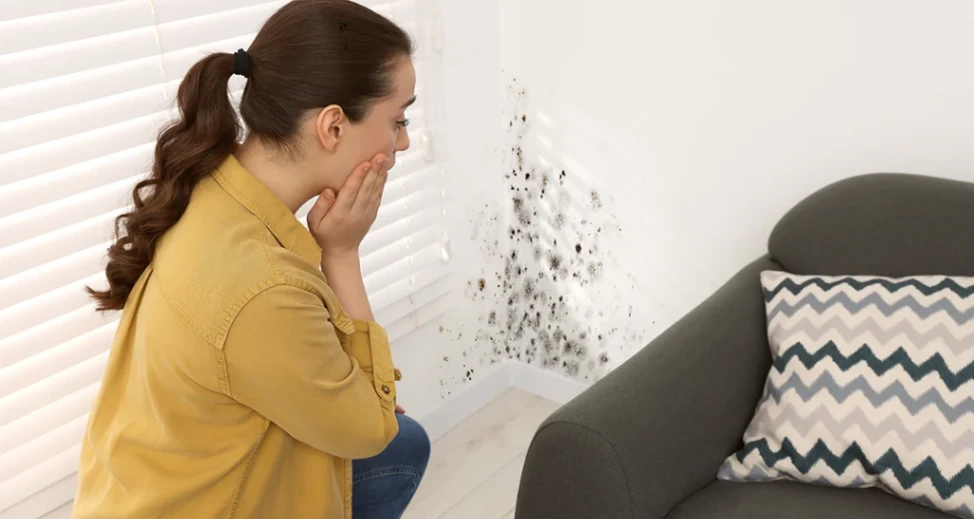
Mold doesn't always announce itself with visible growth. Many Chantilly homeowners first notice a persistent musty odor that gets stronger in certain rooms or during humid weather. Other warning signs include unexplained respiratory symptoms—coughing, sneezing, congestion, or worsening asthma—that improve when you leave the house. Visible discoloration on walls, ceilings, or around windows may indicate surface mold, but the real concern is what's growing behind those surfaces. Peeling paint or wallpaper, warped baseboards, and condensation on windows can all indicate the elevated moisture conditions that support hidden mold colonies.
If you suspect mold in your Chantilly home, avoid the temptation to handle it yourself. Disturbing mold without proper containment releases millions of spores into your air supply, potentially spreading the contamination to previously unaffected areas. DIY mold treatments with bleach or store-bought sprays only address surface mold and can actually worsen the problem by adding moisture without addressing the underlying cause.
Our Chantilly Mold Remediation Process
PSolution Services follows a proven, IICRC S520-compliant mold remediation protocol for every Chantilly project. We begin with a comprehensive inspection using thermal imaging and moisture mapping to identify all affected areas—even those hidden behind walls or above ceilings. Air quality sampling establishes baseline spore counts and identifies the specific mold species present, which guides our remediation approach.
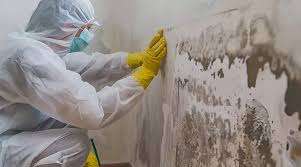
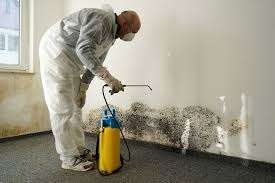
Before any removal begins, we establish engineering controls: negative air pressure containment using 6-mil polyethylene barriers, HEPA-filtered air scrubbers running continuously, and decontamination chambers at containment entry points. Contaminated materials—drywall, insulation, carpet padding—are carefully removed, double-bagged, and disposed of according to EPA guidelines. Structural framing and other salvageable materials are treated with professional-grade antimicrobial solutions and HEPA-vacuumed.
After remediation, we address the moisture source that caused the mold growth in the first place. This might involve water extraction and leak repair, structural dehumidification, crawl space encapsulation, or drainage improvements. Without solving the moisture problem, mold will return. Post-remediation verification testing confirms that spore counts have returned to normal levels and your Chantilly home is safe for occupancy.
Health Risks of Mold Exposure in Your Chantilly Home
Mold isn't just a property issue—it's a health hazard. Common indoor molds like Aspergillus, Penicillium, and Cladosporium release spores and mycotoxins that can cause allergic reactions, respiratory infections, and aggravate existing conditions like asthma and COPD. Stachybotrys chartarum—commonly called "black mold"—produces trichothecene mycotoxins that can cause serious health effects with prolonged exposure. Children, elderly residents, and immunocompromised individuals are particularly vulnerable.
Many Chantilly families report significant improvements in health symptoms—reduced coughing, better sleep, fewer headaches, and decreased allergy medication use—after professional mold remediation. Your home should be a healthy environment, and eliminating mold contamination is essential to achieving that.
Mold Prevention Tips for Chantilly Homeowners
After remediation, protecting your Chantilly home from future mold growth requires ongoing moisture management. Keep indoor humidity below 50% using dehumidifiers, especially in basements and during summer months. Ensure bathrooms and kitchens have functioning exhaust fans that vent outdoors—not into attics. Inspect plumbing connections, washing machine hoses, and water heater fittings annually. Clean gutters and ensure downspouts direct water at least 6 feet away from your foundation. Monitor your crawl space for moisture accumulation and consider encapsulation if you have a dirt-floor crawl space.
If your Chantilly home needs mold inspection or remediation, call PSolution Services at 571-655-7207 for a professional assessment. We serve all Chantilly neighborhoods and surrounding communities including Centreville, Sterling, Herndon, Reston, and all of Fairfax County. Available 24/7 for emergency mold situations.
Frequently Asked Questions: Mold Remediation in Chantilly VA
How much does mold remediation cost in Chantilly VA?
Mold remediation costs depend on the size of the affected area, the type of materials involved, and the complexity of the moisture source. Small contained areas may cost less, while whole-basement remediation for extensive infestations will be higher. PSolution Services provides free mold inspections and detailed estimates. Many homeowner insurance policies cover mold remediation when it results from a covered water damage event. Call 571-655-7207 for a free assessment.
How long does mold remediation take in a Chantilly home?
Most residential mold remediation projects in Chantilly take 3-7 days, depending on the extent of contamination. A single-room remediation might be completed in 1-2 days, while a full basement remediation with structural drying typically takes 5-7 days. We provide detailed timelines during your initial consultation and keep you updated throughout the process.
Is the mold in my Chantilly home dangerous?
All indoor mold growth should be treated seriously. While not all mold species produce dangerous mycotoxins, any mold infestation indicates a moisture problem that will worsen over time and can cause allergic reactions, respiratory issues, and structural damage. Professional testing identifies the specific species and concentration levels to assess health risk and guide the remediation approach.
Can I stay in my home during mold remediation?
In most cases, yes—our containment procedures isolate the work area from the rest of your home. However, for extensive whole-house remediation or if household members have severe mold allergies or compromised immune systems, we may recommend temporary relocation during the active remediation phase.
Will mold come back after remediation?
Not if the moisture source is properly addressed. PSolution Services doesn't just remove mold—we identify and resolve the underlying moisture problem that caused the growth. Combined with post-remediation verification testing and our moisture prevention recommendations, our remediation work provides lasting results. Learn more about preventing mold after water damage.
Related Articles
Found this recovery protocol helpful?
Speak with our licensed specialists for emergency restoration in Virginia, Maryland, or DC.