How to File a Water Damage Insurance Claim in Virginia: Step-by-Step Homeowner Guide
Understanding Water Damage Insurance Claims in Virginia
Filing a water damage insurance claim can be one of the most stressful experiences a Virginia homeowner faces. Between documenting damage, communicating with adjusters, and managing repairs, the process feels overwhelming, especially when your home is still wet. As IICRC-certified water damage restoration professionals who have assisted thousands of Northern Virginia homeowners through the claims process, Prime Solution Restoration understands exactly what insurance companies look for and how to help you maximize your claim.
Whether you are dealing with a burst pipe in Ashburn VA, appliance overflow in Fairfax VA, or storm damage in Leesburg VA, this guide walks you through every step of filing a successful water damage insurance claim in Virginia.
What Water Damage Does Virginia Homeowners Insurance Cover?
Standard homeowners insurance policies in Virginia typically cover water damage that is sudden and accidental. This includes burst pipes from freezing temperatures, which are common during Northern Virginia winters. Accidental appliance failures such as washing machine hoses breaking, water heater ruptures, or dishwasher leaks are generally covered. Sudden plumbing failures including supply line breaks and toilet overflow incidents fall under covered events. Accidental roof leaks from storm damage, fallen trees, or ice dams are also typically included.
However, there are common exclusions that Virginia homeowners need to understand. Gradual leaks that develop over time, including slow pipe leaks and chronic seepage through foundations, are generally not covered. External flooding from rising water, whether from rivers, storm surge, or overwhelmed drainage, requires separate flood insurance. Sewer backup coverage is often available as an optional endorsement but is not included in standard policies. Maintenance-related issues, such as damage from neglected gutters or aging pipes, are typically denied. Ground water seepage through basement walls or floors is also excluded under most standard policies.
Step-by-Step Guide to Filing Your Water Damage Claim
Step 1: Ensure Safety and Stop the Damage
Before anything else, prioritize safety. Turn off electricity to affected areas if water is near electrical outlets or appliances. Shut off the water supply if a pipe or appliance is the source. Virginia insurance policies include a duty to mitigate clause, meaning you are required to take reasonable steps to prevent further damage. Failing to do so can reduce your claim payout. Call 571-655-7207 immediately for emergency water extraction.
Step 2: Document Everything Before Cleanup Begins
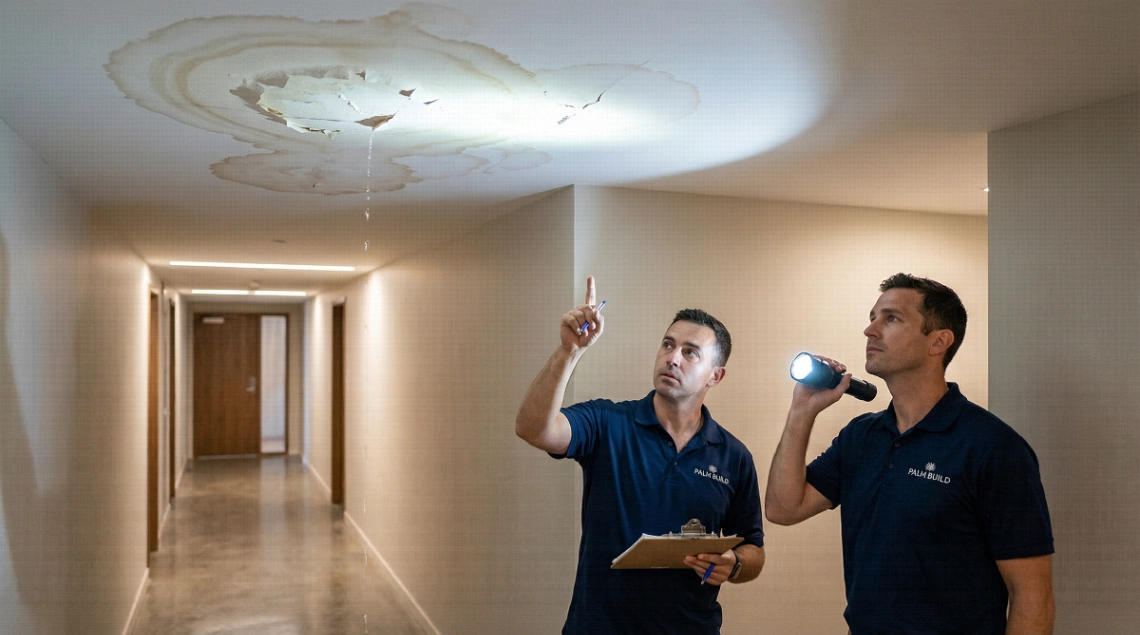
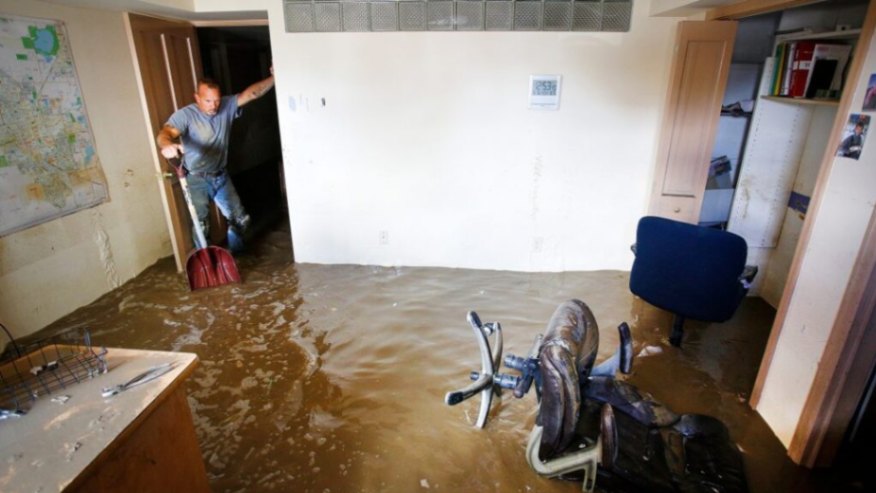
Thorough documentation is the single most important factor in a successful insurance claim. Take wide-angle photos and videos of every affected room showing the full extent of water damage. Capture close-up images of damaged materials including walls, floors, ceilings, furniture, and personal belongings. Record the water level marks on walls and note the date and time you discovered the damage. If possible, photograph or video the source of the water damage such as the burst pipe, failed appliance, or roof breach. Keep all damaged items until your adjuster has inspected them.
Step 3: Contact Your Insurance Company Within 24 Hours
Most Virginia insurance policies require prompt notification of damage, typically within 24 to 48 hours. When calling your insurer, have your policy number ready, provide a clear description of what happened and when, request a claim number and the adjuster assignment timeline, and ask about emergency mitigation coverage limits. Document the name and contact information of every insurance representative you speak with.
Step 4: Hire a Professional Restoration Company
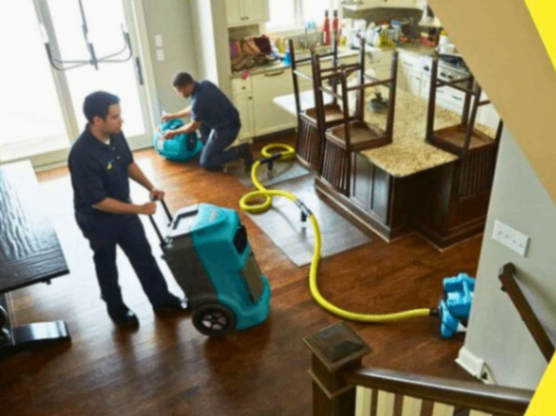
Insurance companies expect and prefer that homeowners hire IICRC-certified restoration professionals. At Prime Solution Restoration, we provide detailed moisture readings, structural assessments, and comprehensive documentation that insurance adjusters require. We work directly with all major insurance providers serving Loudoun County, Fairfax County, Prince William County, and the entire Northern Virginia region. Our team understands exactly what documentation adjusters need and can communicate directly with your insurance company on your behalf.
Step 5: Meet with the Insurance Adjuster
Your insurance adjuster will schedule an inspection, typically within 3 to 7 business days of filing your claim. Be present during the inspection to walk the adjuster through the damage. Have your restoration company's moisture readings and damage assessment report ready. Show all photographs and videos you documented. Point out every area of damage, including hidden moisture behind walls and under floors. If possible, have your restoration technician present during the adjuster visit to explain the technical scope of work needed.
Step 6: Review and Negotiate the Settlement
After the adjuster inspection, your insurance company will provide a loss estimate. Review this carefully and compare it against your restoration company's assessment. Common areas where insurance estimates fall short include inadequate allowance for structural drying and dehumidification equipment rental, underestimating the scope of drywall repair and replacement needed, not accounting for antimicrobial treatment or mold prevention, and missing hidden damage behind walls, under cabinets, or in subfloors. If the estimate seems low, you have the right to negotiate. Your restoration company's detailed documentation can support a supplemental claim for additional funds.
How Prime Solution Restoration Helps with Insurance Claims
We have worked with every major insurance carrier serving Northern Virginia homeowners. Our insurance coordination services include free initial damage assessment with detailed photo documentation, comprehensive moisture mapping using thermal imaging cameras, direct communication with your insurance adjuster, detailed scope of work documentation in Xactimate format which is the software most insurance companies use, and supplemental claim support when initial estimates are insufficient. We serve homeowners throughout Ashburn VA, Leesburg VA, Sterling VA, Fairfax VA, Reston VA, Herndon VA, Centreville, Chantilly, Arlington, Alexandria, and all surrounding communities.
Common Mistakes That Reduce Virginia Water Damage Claims
Many homeowners unintentionally reduce their insurance payout by making avoidable mistakes. Waiting too long to file the claim allows damage to worsen and can violate policy notification requirements. Throwing away damaged items before the adjuster inspects them removes evidence of loss. Attempting DIY cleanup without professional equipment often results in hidden moisture that causes secondary damage and mold. Not documenting pre-cleanup conditions means you cannot prove the full extent of damage. Accepting the first settlement offer without review often means leaving money on the table. Hiring uncertified contractors provides the insurance company a reason to dispute the scope and cost of work.
Average Water Damage Insurance Claim Amounts in Virginia
Water damage claims in Northern Virginia vary significantly based on the source and extent of damage. Small pipe leaks affecting a single room typically result in claims between $3,000 and $7,000. Appliance failures affecting kitchens or laundry rooms average $5,000 to $12,000. Burst pipes during winter freezes, which can affect multiple floors, typically range from $10,000 to $25,000. Major incidents involving sewage backup or extensive structural damage can exceed $30,000. These figures include both mitigation costs for water extraction and drying and repair costs for restoring the property to pre-loss condition.
Frequently Asked Questions
Does Virginia homeowners insurance cover burst pipes?
Yes, sudden and accidental pipe bursts are covered under standard Virginia homeowners insurance policies. This includes pipes that freeze and burst during winter months, which is a common occurrence in Northern Virginia. However, pipes that fail due to long-term corrosion or lack of maintenance may be excluded as a maintenance issue.
How long do I have to file a water damage claim in Virginia?
Most Virginia insurance policies require notification within 24 to 72 hours of discovering damage, though the formal claim filing deadline is typically one year from the date of loss. However, filing immediately is critical because delays allow damage to worsen and can complicate the claims process.
Should I start cleanup before the adjuster comes?
Yes, you should begin emergency mitigation immediately. Virginia insurance policies require you to take reasonable steps to prevent further damage. This includes emergency water extraction and initiating structural drying. Document everything thoroughly with photos and video before and during cleanup. Professional restoration companies like Prime Solution Restoration provide the detailed documentation that adjusters need.
Will my insurance rates increase after a water damage claim?
In Virginia, a single water damage claim typically results in a modest premium increase of 5 to 15 percent at renewal. However, multiple claims within a 3 to 5 year period can result in larger increases or even non-renewal. The financial impact varies by insurance carrier and your overall claims history.
Can I choose my own restoration company or does insurance pick for me?
Virginia homeowners always have the right to choose their own restoration company. While insurance companies may recommend preferred vendors, you are not obligated to use them. Choosing an independent IICRC-certified company like Prime Solution Restoration ensures that the restoration scope serves your interests, not the insurance company's.
What should I do if my insurance claim is denied?
If your water damage claim is denied, request a written explanation of the denial reason. Review your policy carefully to understand the cited exclusion. Gather additional documentation from your restoration company to support an appeal. You can also hire a public adjuster or consult with an insurance attorney. Virginia's State Corporation Commission Bureau of Insurance can assist with claim disputes.
Need Help with a Water Damage Insurance Claim in Northern Virginia?
Prime Solution Restoration provides 24/7 emergency water damage restoration with full insurance claim coordination. We document everything your insurance company needs and work directly with adjusters to help you get fair compensation.
Service Areas: Ashburn • Leesburg • Sterling • Fairfax • Reston • Herndon • Centreville • Chantilly • Loudoun County • Fairfax County
Call Now: 571-655-7207
Headquarters: 42785 Generation Dr, Ashburn, VA 20147
Related Articles
• Water Damage Emergency: What to Do in the First 60 Minutes
• Basement Flooding in Ashburn VA: Causes, Cleanup, and Protection
• Why Structural Drying Is the Most Important Step After Water Damage
• Best Property Restoration Company in Ashburn and Northern Virginia
• From Disaster to Designer: Rebuilding Better Than Before
• Trauma Cleanup: Why Professional Help is a Must
• Making it Seamless: The Art of Drywall Restoration
• Commercial Water Damage Restoration: Minimizing Downtime & Losses
Found this recovery protocol helpful?
Speak with our licensed specialists for emergency restoration in Virginia, Maryland, or DC.