Water Damage to Hardwood Floors in Northern Virginia: Can They Be Saved?
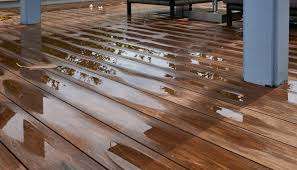
Hardwood floors are one of the most valued features in Northern Virginia homes — and one of the most vulnerable to water damage. When water reaches hardwood flooring in your Ashburn, Leesburg, Sterling, Fairfax, Reston, or Herndon home, the clock starts immediately. Wood absorbs moisture rapidly, expanding, cupping, buckling, and potentially developing mold beneath the surface. Whether from a burst pipe, kitchen appliance failure, bathroom leak, or spring flooding, the response in the first hours determines whether your hardwood floors can be saved. PSolution Services provides expert hardwood floor water damage assessment and restoration across Loudoun County and Fairfax County.
How Water Damages Hardwood Floors
Wood is hygroscopic — it absorbs and releases moisture based on surrounding conditions. When water contacts hardwood flooring, the wood cells absorb moisture and swell. This swelling creates visible damage patterns that indicate the severity of exposure. Cupping occurs when the edges of individual boards rise higher than the center, creating a concave shape. This happens because the bottom of the board absorbs more moisture from the subfloor than the top surface can release. Cupping is the earliest sign of water damage and can sometimes be reversed through professional drying.
Crowning is the opposite of cupping — the center of each board rises above the edges. This typically occurs when cupped floors are sanded flat before the moisture has fully equalized, or when the top surface absorbs more moisture than the bottom. Buckling represents severe damage where boards lift entirely from the subfloor, sometimes rising several inches. Buckling indicates massive moisture absorption and often requires board replacement. Delamination affects engineered hardwood specifically — the veneer layer separates from the substrate layers when adhesive bonds fail from moisture exposure.
Can Your Hardwood Floors Be Saved?
The most common question homeowners across Loudoun County and Fairfax County ask is whether their water-damaged hardwood can be restored or must be replaced. The answer depends on several factors. Duration of water exposure is the most critical variable. Floors exposed to clean water for less than 24 hours can often be saved through professional drying. Beyond 48 hours, the probability of successful restoration decreases significantly. The type of water matters — clean water from supply line breaks has the best prognosis, while contaminated water from sewage backups or flooding often necessitates replacement due to sanitation concerns.
The type of hardwood affects outcomes. Solid hardwood (3/4-inch thick) has more capacity to absorb and release moisture without permanent damage than engineered hardwood, which can delaminate irreversibly. The finish type also matters — polyurethane-finished floors resist water penetration longer than wax-finished or unfinished wood, buying valuable time for professional intervention. PSolution Services provides honest, expert assessments of your hardwood floors — we never recommend replacement when restoration is a viable option.
Professional Hardwood Floor Drying
Saving water-damaged hardwood floors requires specialized drying techniques that differ from standard structural drying. PSolution Services uses hardwood floor drying systems that create a controlled drying environment specifically for wood flooring. Our process begins with thorough water extraction from the floor surface and, when possible, from beneath the flooring. We deploy specialized floor drying mats that direct warm, dry air across the hardwood surface while dehumidifiers maintain low ambient humidity to encourage moisture migration from the wood.
Throughout the drying process, our technicians monitor moisture content in the hardwood at multiple locations using pin-type moisture meters. We track moisture readings daily, mapping the drying progress across the entire affected area. Drying is complete when hardwood moisture content returns to within 2 percent of the moisture content of unaffected flooring in the same home — typically 6 to 9 percent in Northern Virginia. Rushing this process causes permanent damage; extending it unnecessarily delays your restoration.
Hardwood Floor Restoration After Drying
Once moisture content has returned to normal, cupped boards often flatten naturally as the wood acclimates. This equalization process can take several weeks to months after drying is complete. Patience during this phase frequently saves the expense of replacement. After equalization, minor cupping residue can often be addressed through sanding and refinishing. Our interior restoration team provides expert hardwood sanding, staining, and finishing that blends restored areas seamlessly with undamaged flooring.
When boards are too damaged to restore — buckled sections, delaminated engineered boards, or areas with mold contamination beneath the flooring — selective replacement of affected boards is often possible without replacing the entire floor. Matching species, grade, and stain color requires expertise, but the result is significantly less expensive than full floor replacement.
Subfloor Damage Beneath Hardwood
Water that reaches hardwood floors also saturates the subfloor beneath. Plywood subfloors can swell and delaminate when wet, losing structural integrity. OSB (oriented strand board) subfloor is particularly vulnerable — once saturated, it often does not recover its original strength and must be replaced. In homes across Ashburn, Sterling, and Herndon, we frequently find that subfloor damage is more extensive than the hardwood damage above, requiring subfloor replacement before new flooring can be installed. Thorough assessment of subfloor condition is an essential part of every hardwood floor water damage project.
Frequently Asked Questions: Hardwood Floor Water Damage
How quickly must I act to save water-damaged hardwood floors?
The first 24 hours are critical. Call PSolution Services at 571-655-7207 immediately when water reaches your hardwood floors in Ashburn, Leesburg, Sterling, Fairfax, Reston, Herndon, or anywhere in Northern Virginia. The faster professional drying begins, the higher the probability of saving your floors.
Should I try to dry my hardwood floors myself?
You can mop up standing water, but professional drying is essential. Consumer fans and dehumidifiers cannot create the controlled environment needed to dry hardwood properly. Improper drying can cause permanent cupping, splitting, or mold growth beneath the flooring.
Does insurance cover hardwood floor water damage?
Most Virginia homeowner policies cover sudden water damage to hardwood floors from burst pipes, appliance failures, and similar events. PSolution Services documents floor moisture readings and damage extent for your insurance claim across Loudoun County and Fairfax County.
How long does hardwood floor drying take?
Professional drying typically takes 5 to 14 days depending on the species of wood, thickness, extent of saturation, and environmental conditions. After drying, additional time for moisture equalization may be needed before sanding and refinishing. We monitor the entire process with daily moisture readings.
Save Your Hardwood Floors — Call Now
When water threatens your hardwood floors, PSolution Services provides the specialized expertise Northern Virginia homeowners need. Serving Ashburn, Leesburg, Sterling, Fairfax, Reston, Herndon, and all of Loudoun County and Fairfax County with 24/7 emergency response. Call 571-655-7207 immediately — every hour counts when saving hardwood floors from water damage.
Related Articles
Found this recovery protocol helpful?
Speak with our licensed specialists for emergency restoration in Virginia, Maryland, or DC.