Spring Flooding Preparation for Northern Virginia Homes: Protect Your Property Before the Storms

Spring in Northern Virginia brings warmer temperatures, blooming landscapes — and the highest risk of residential flooding all year. The combination of spring rainfall, snowmelt from the Blue Ridge foothills, saturated soils from winter precipitation, and thawing ground creates conditions that overwhelm drainage systems and flood basements across Ashburn, Leesburg, Sterling, Fairfax, Reston, Herndon, and communities throughout Loudoun County and Fairfax County. PSolution Services helps Northern Virginia homeowners prepare for spring flooding season with this comprehensive guide — and provides 24/7 emergency response when flooding occurs despite your best preparation.
Why Spring Is Peak Flooding Season in Northern Virginia
Several factors converge during March through May to make spring the most dangerous season for residential flooding. Winter leaves the ground partially frozen or fully saturated, meaning spring rain cannot absorb into the soil and instead runs off toward foundations and low-lying areas. Loudoun County and Fairfax County's clay-heavy soils compound this problem — clay absorbs water slowly and creates surface runoff that pools against foundations. Spring thunderstorms can drop 2 to 3 inches of rain in an hour, overwhelming storm drains, swelling creeks, and sending water into basements through every available pathway.
Snowmelt from higher elevations in western Loudoun County feeds streams and tributaries that flow through residential areas in Leesburg, Ashburn, and Sterling. When heavy rain coincides with snowmelt, creek levels rise rapidly and flood adjacent properties. The Goose Creek, Broad Run, and Sugarland Run watersheds all present flooding risks to nearby homes during spring events.
Spring Flooding Preparation Checklist
Taking proactive steps before spring storms arrive dramatically reduces your flood risk and potential damage. PSolution Services recommends the following preparation checklist for every Northern Virginia homeowner.
Test Your Sump Pump
Your sump pump is your primary defense against basement flooding. Test it by pouring water into the sump pit until the float triggers the pump. Verify the pump activates, moves water effectively, and the discharge line directs water at least 10 feet from your foundation. Replace any sump pump older than 7 to 10 years. Consider installing a battery backup sump pump — power outages during storms render electric pumps useless precisely when they are needed most. Many Ashburn basement flooding events occur because sump pumps fail during power outages.
Inspect and Clean Gutters and Downspouts
Clogged gutters overflow and deposit water directly against your foundation. Clean all gutters and downspouts, removing leaves, debris, and any blockages. Ensure downspout extensions direct water at least 6 feet from your foundation. Check that splash blocks are in place and angled to move water away from the house. In Reston, Herndon, and other heavily wooded Northern Virginia communities, gutter maintenance is especially critical due to the volume of leaves and organic debris.
Check Foundation and Basement
Inspect your foundation walls for new cracks, gaps around pipes and utility penetrations, and deteriorating mortar joints. Apply hydraulic cement to seal any cracks. Check basement window wells for debris buildup and ensure covers are in place and draining properly. Verify that the grade around your foundation slopes away from the house — at least 6 inches of fall over the first 10 feet. Over time, soil settles and can reverse the grade, directing water toward rather than away from your foundation.
Service Your Backflow Prevention
If your home has a sewer backflow preventer or backwater valve, have it inspected and serviced before spring. During heavy rains, municipal sewer systems can become overwhelmed, sending sewage backward through your drain lines and into your basement. A functioning backflow preventer stops this contaminated water from entering your home.
Review Your Insurance Coverage
Standard homeowner insurance policies in Virginia do not cover flood damage from external sources (rising water, overland flow). Flood insurance through the National Flood Insurance Program (NFIP) or private carriers is a separate policy. If your Loudoun County or Fairfax County home is in or near a flood zone, flood insurance is essential. Even homes outside designated flood zones can flood — review your coverage with your agent before spring arrives. Our insurance claims guide provides additional information about coverage types.
What to Do When Flooding Occurs
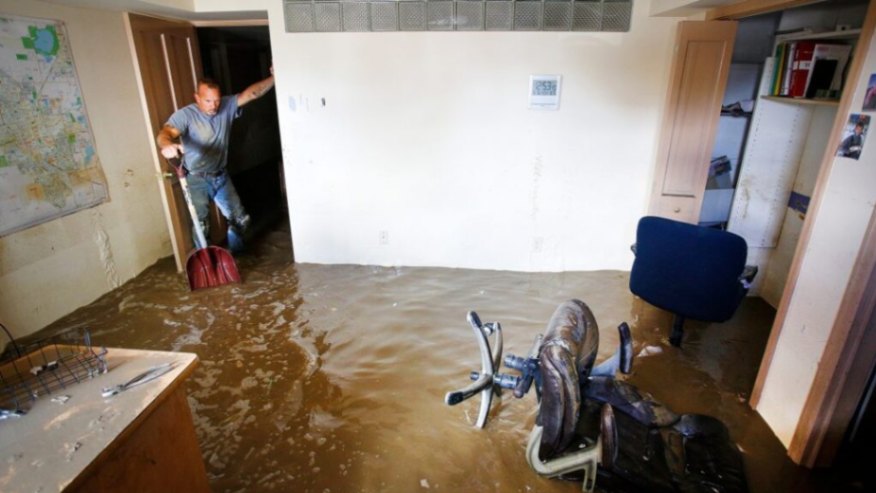
Despite the best preparation, spring flooding can still occur. When it does, your response in the first 60 minutes is critical. Prioritize safety — never enter standing water that may be in contact with electrical outlets, and never enter a basement with more than a few inches of water without turning off electricity at the main breaker. Call PSolution Services immediately at 571-655-7207 for emergency water extraction. Document damage with photos and video for your insurance claim. Move valuables and electronics above water level if safe to do so.
Professional structural drying must begin promptly to prevent mold growth, which can start within 24 to 48 hours of water exposure. Do not attempt to dry a flooded basement with household fans alone — the science of structural drying requires commercial equipment and professional monitoring.
Frequently Asked Questions: Spring Flooding
When should I start preparing for spring flooding?
Begin preparation in late February or early March — before the first heavy spring rains. Testing sump pumps and cleaning gutters takes minimal time but can prevent thousands of dollars in damage. Call PSolution Services at 571-655-7207 if you need professional assessment of your Ashburn, Leesburg, Sterling, Fairfax, Reston, or Herndon home's flood readiness.
My basement has never flooded. Do I still need to prepare?
Yes. Conditions change over time — aging sump pumps, settling foundations, shifting drainage patterns, and increasingly severe weather mean past performance does not guarantee future safety. Many Loudoun County and Fairfax County homeowners experience their first basement flood in homes they have lived in for decades.
Does homeowner insurance cover spring flooding?
It depends on the water source. Water from burst pipes or sump pump failure is typically covered. Water from external flooding (rising groundwater, overland flow) generally requires separate flood insurance. Internal drainage failure coverage varies by policy. Review your specific policy with your insurance agent before spring.
How quickly can PSolution Services respond to spring flooding?
We maintain 24/7 emergency response across all Northern Virginia communities with typical arrival times under 60 minutes. During severe spring storms, demand for restoration services increases significantly — calling immediately when flooding occurs ensures the fastest possible response.
Spring Flooding Emergency? Call Now.
When spring flooding hits your Ashburn, Leesburg, Sterling, Fairfax, Reston, or Herndon home, PSolution Services provides the fastest emergency response in Northern Virginia. Call 571-655-7207 24/7 for immediate water extraction, structural drying, and complete restoration across Loudoun County and Fairfax County.
Related Articles
Found this recovery protocol helpful?
Speak with our licensed specialists for emergency restoration in Virginia, Maryland, or DC.