Bathroom Water Damage Restoration in Northern Virginia: Detection, Cleanup & Full Rebuild
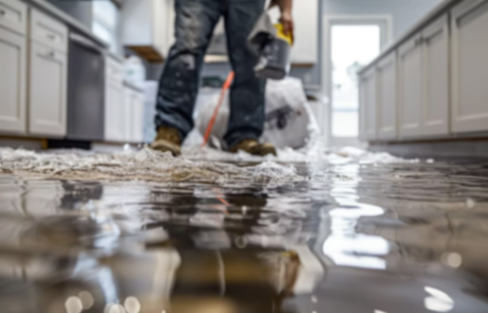
Bathroom water damage is one of the most common — and most destructive — problems facing homeowners in Northern Virginia. From slow toilet leaks that rot subfloors to catastrophic supply line failures that flood entire levels, bathrooms in Ashburn, Leesburg, Sterling, Fairfax, Reston, and Herndon homes are constant sources of moisture exposure. PSolution Services delivers professional bathroom water damage restoration across Loudoun County and Fairfax County, combining rapid emergency response with expert reconstruction to restore your home safely and completely.
Top Causes of Bathroom Water Damage in Northern Virginia
Bathrooms concentrate more plumbing fixtures in a smaller space than any other room, creating multiple failure points. Toilet supply lines and wax ring seals are leading causes of bathroom flooding — a failed wax ring can send sewage water into subfloor materials with every flush, often undetected until the ceiling below shows staining. Shower and bathtub failures include cracked grout, deteriorated caulk, leaking shower pans, and failed mixing valves that allow water to penetrate wall cavities. Sink overflow events, burst supply hoses, and failed shut-off valves round out the most common bathroom water damage scenarios in Loudoun County and Fairfax County homes.
Second-floor bathrooms present the highest risk because water damage cascades downward through floors and ceilings, often affecting multiple rooms and levels. Many homes across Ashburn, Sterling, and Herndon were built during periods of rapid development and may have plumbing connections that are now 15 to 25 years old — approaching or exceeding the expected lifespan of rubber supply hoses and some fixture components.
Hidden Bathroom Water Damage: The Silent Destroyer
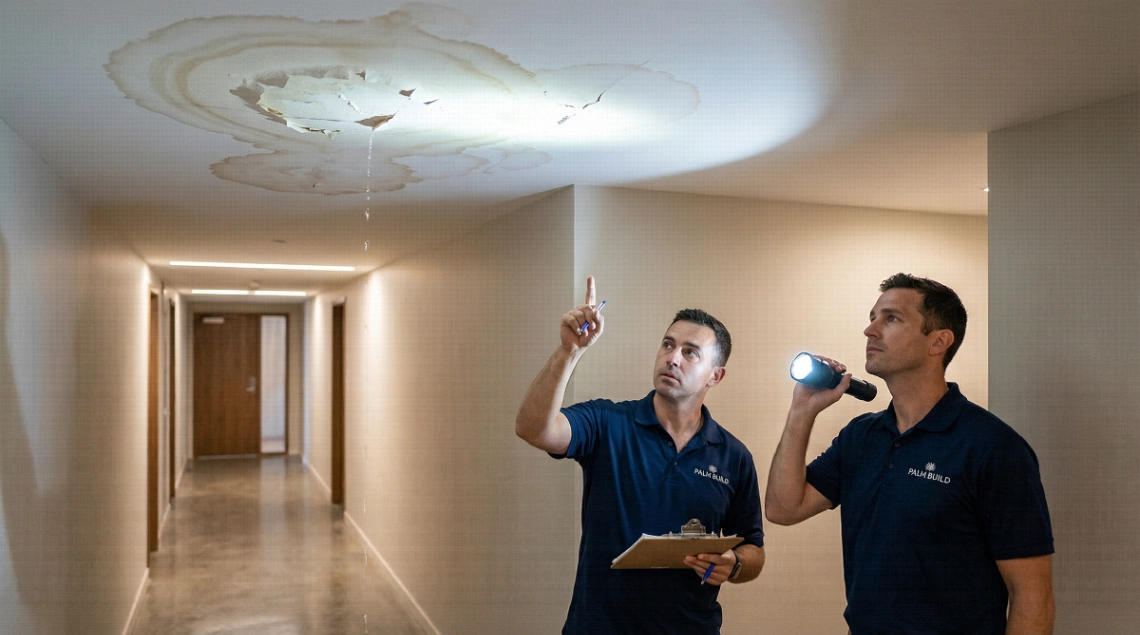
The most dangerous type of bathroom water damage is the kind you cannot see. Slow leaks behind shower walls, under bathtubs, and around toilet bases saturate structural materials gradually, creating conditions for extensive mold growth and wood rot long before visible signs appear. Homeowners in Reston and Fairfax often discover extensive damage only when they notice soft spots in flooring, bubbling paint on the ceiling below, or a musty odor that will not go away. By the time these symptoms manifest, the damage behind walls and under floors can be significant.
PSolution Services uses infrared thermal imaging and moisture meters to detect hidden water damage that is invisible to the naked eye. This technology allows us to identify exactly where moisture is trapped within wall assemblies, floor systems, and ceiling cavities — enabling targeted restoration rather than unnecessary demolition.
Our Bathroom Restoration Process
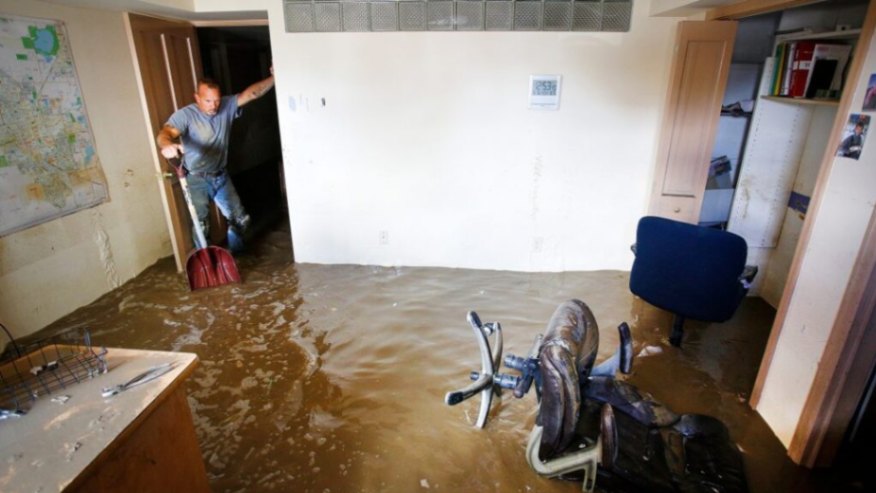
Our IICRC-certified restoration process for bathroom water damage follows a proven sequence designed to thoroughly address all affected materials. We begin with emergency water extraction, removing all standing water and surface moisture using commercial-grade extractors. For toilet overflow events involving contaminated water (Category 3), we implement specialized sanitization protocols to ensure all affected areas are properly disinfected.
The structural drying phase is critical in bathroom restorations because moisture often becomes trapped inside wall cavities, beneath tile floors, and within multi-layered floor assemblies. We remove damaged materials as needed — including saturated drywall, moldy insulation, and deteriorated subfloor sections — then deploy industrial drying equipment to bring the structure back to safe moisture levels. Daily monitoring with calibrated moisture meters ensures thorough drying before any reconstruction begins.
Reconstruction involves drywall installation, subfloor repair or replacement, tile or flooring reinstallation, fixture mounting, painting, and all finish work. Our interior restoration team handles every aspect of the rebuild, delivering a finished bathroom that meets or exceeds its pre-damage condition.
Bathroom Mold: A Constant Concern
Bathrooms provide ideal conditions for mold growth — consistent moisture, warm temperatures, and organic building materials as food sources. After any bathroom water damage event, mold assessment is essential. Mold can colonize drywall, wood framing, and subfloor materials within 24 to 48 hours of water exposure. In Northern Virginia homes with inadequate bathroom ventilation — common in older Leesburg and Ashburn properties — chronic moisture conditions may have already established mold colonies that a water damage event makes worse. PSolution Services provides comprehensive mold remediation as part of our bathroom restoration services when assessment reveals mold presence.
Protecting Your Bathroom from Future Water Damage
Prevention is always more affordable than restoration. Northern Virginia homeowners should replace rubber supply hoses with braided stainless steel every 5 to 7 years, re-caulk shower and tub joints annually, and inspect toilet wax rings during bathroom renovations. Ensure your bathroom exhaust fan is properly sized and vented to the exterior — many Fairfax County and Loudoun County homes have fans that vent into the attic, creating moisture problems above. Install water leak sensors behind toilets and under sinks for early detection. Consider a whole-house water shutoff valve with smart leak detection for comprehensive protection.
Frequently Asked Questions: Bathroom Water Damage
Is toilet overflow water dangerous?
Yes. Toilet overflow water is classified as Category 2 (gray water) or Category 3 (black water) depending on whether it contains sewage. Both categories require professional cleaning and sanitization to prevent health hazards. Call PSolution Services at 571-655-7207 immediately for contaminated water cleanup in Ashburn, Leesburg, Sterling, Fairfax, Reston, Herndon, and all Northern Virginia communities.
Can bathroom tile be saved after water damage?
The tile itself may be salvageable, but the subfloor and backer board beneath it often need replacement. Water that penetrates grout lines and reaches the subfloor causes swelling and deterioration that compromises the tile installation. Our team in Loudoun County and Fairfax County evaluates each situation to determine the most cost-effective approach.
How do I know if I have a hidden bathroom leak?
Warning signs include unexplained increases in water bills, musty odors, soft or spongy spots in flooring near the bathroom, staining or bubbling on the ceiling below a second-floor bathroom, and loose or cracking tiles. If you notice any of these signs, call PSolution Services for a professional moisture assessment.
How much does bathroom water damage restoration cost?
Costs vary based on the extent of damage, affected materials, and whether mold remediation is needed. Minor incidents may cost a few thousand dollars, while extensive damage requiring full bathroom reconstruction can be significantly more. Most homeowner insurance policies in Northern Virginia cover sudden water damage events. PSolution Services provides free estimates and helps with insurance documentation.
Fast, Professional Bathroom Restoration Across Northern Virginia
Whether you are dealing with a toilet overflow, shower leak, or burst pipe in your bathroom, PSolution Services delivers complete restoration from emergency response through final rebuild. Serving Ashburn, Leesburg, Sterling, Fairfax, Reston, Herndon, and all communities across Loudoun County, Fairfax County, and Northern Virginia. Call 571-655-7207 for 24/7 emergency service — we respond fast so you can get your bathroom and your life back to normal.
Related Articles
- Water Damage Emergency in Northern Virginia: What to Do in the First 60 Minutes
- Kitchen Water Damage Restoration in Northern Virginia
- Mold Remediation in Loudoun County VA
- Structural Drying — The Most Important Step After Water Damage
- My Basement is Flooded! A No-Panic Guide
- Water Damage to Hardwood Floors
Frequently Asked Questions
How can I tell if there is water damage behind my bathroom tiles?+
Why is bathroom water damage more dangerous than a simple spill?+
Found this recovery protocol helpful?
Speak with our licensed specialists for emergency restoration in Virginia, Maryland, or DC.